What Is Akagera National Park Famous For? & Why Is It Worth Visiting? : Complete 2026 Safari Guide
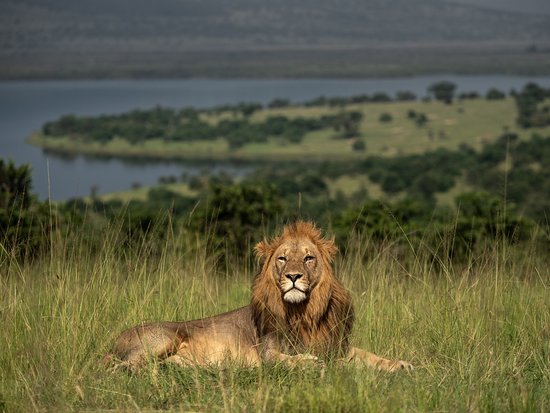
Akagera National Park is famous for being Rwanda’s only Big Five national park, where visitors can see lions, leopards, elephants, rhinos, and buffaloes in one safari.
The park is also renowned for its scenic savannahs, wetlands, lakes, and over 500 bird species, making it a paradise for wildlife enthusiasts and birdwatchers.
Visitors can enjoy game drives, boat safaris on Lake Ihema, guided nature walks, night game drives, and sport fishing.
It is located just 2.5 hours from Kigali, Akagera offers an accessible, diverse, and unforgettable safari experience, making it one of the best wildlife destinations in East Africa for both first-time and experienced safari travelers.
It was Once nearly emptied of wildlife after years of conflict, Akagera National Park has staged one of Africa’s most remarkable conservation comebacks.
Lions were reintroduced in 2015, black and white rhinos have returned in successive translocations (including a major white rhino reinforcement in 2025), and the park now supports all of the Big Five.
In 2026 National Geographic named Akagera National Park among its 25 must-visit destinations worldwide, cementing its status as Rwanda’s premier savanna safari destination.
While mountain gorilla trekking in Volcanoes National Park remains Rwanda’s global icon, Akagera National Park delivers the classic East African game-viewing experience many travellers also crave — open plains, lakes, elephants, lions, and boat safaris — just a short drive from Kigali.
It is the perfect complement (or standalone alternative) to a gorilla safari.
This complete 2026 Akagera National Park guide covers wildlife, the best time to visit, top lodges, activities, costs, sample itineraries, and practical tips so you can plan with confidence.
Planning a Rwanda safari? Discover why Akagera National Park belongs on your itinerary and let the experts at Muzungu Africa Safarisdesign your perfect combination trip.
Why Visit Akagera National Park in 2026?
Akagera National Park is the only place in Rwanda where you can see the Big Five in one protected area.
Covering roughly 1,122 km² along the Tanzanian border, the park protects a rich mosaic of lakes, papyrus wetlands, rolling plains, and woodland.
Key reasons to prioritise Akagera National Park in 2026:
- It is Rwanda’s sole Big Five destination.
- The wildlife recovery story is dramatic and ongoing — lions, rhinos, elephants, and giraffe populations continue to grow under African Parks management.
- Diverse habitats support excellent game viewing and birdwatching in a compact, accessible park.
- It combines effortlessly with gorilla trekking in Volcanoes National Park or canopy walks and chimpanzees in Nyungwe.
- Visitor numbers and infrastructure continue to improve, with stronger tourism revenue reinvested into conservation and local communities.
Akagera has become Rwanda’s most-visited national park in recent years, welcoming tens of thousands of guests annually while maintaining a relatively uncrowded feel compared with more famous East African reserves.
Wildlife in Akagera National Park – The Big Five and Beyond
Akagera National Park supports a healthy and expanding mammal population.
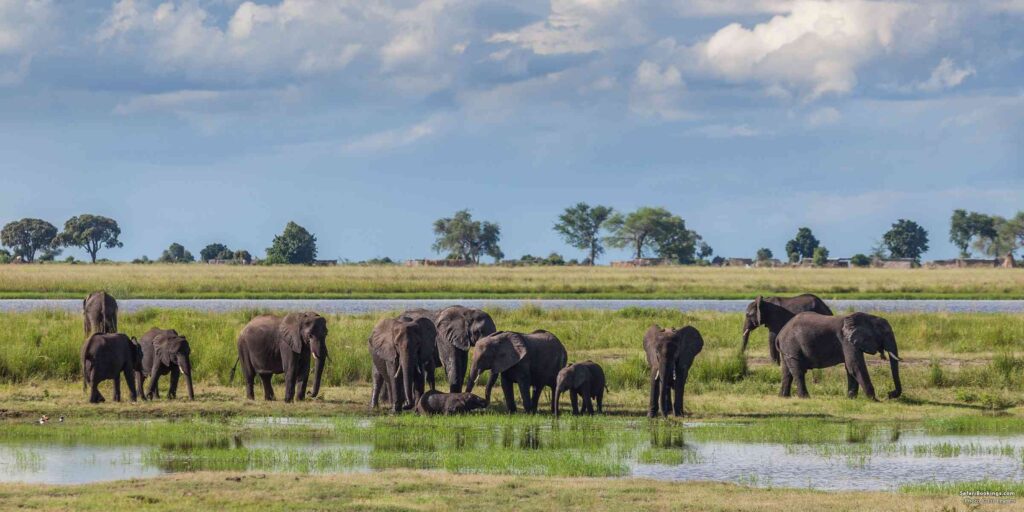
The Big Five are all present: lion, African elephant, African buffalo, leopard, and white rhinoceros (with black rhinos also part of the broader recovery narrative).
Other highlights include:
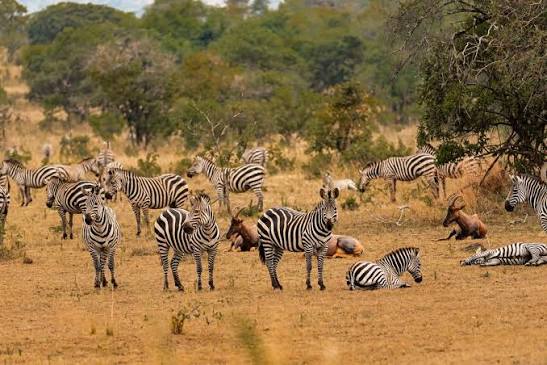
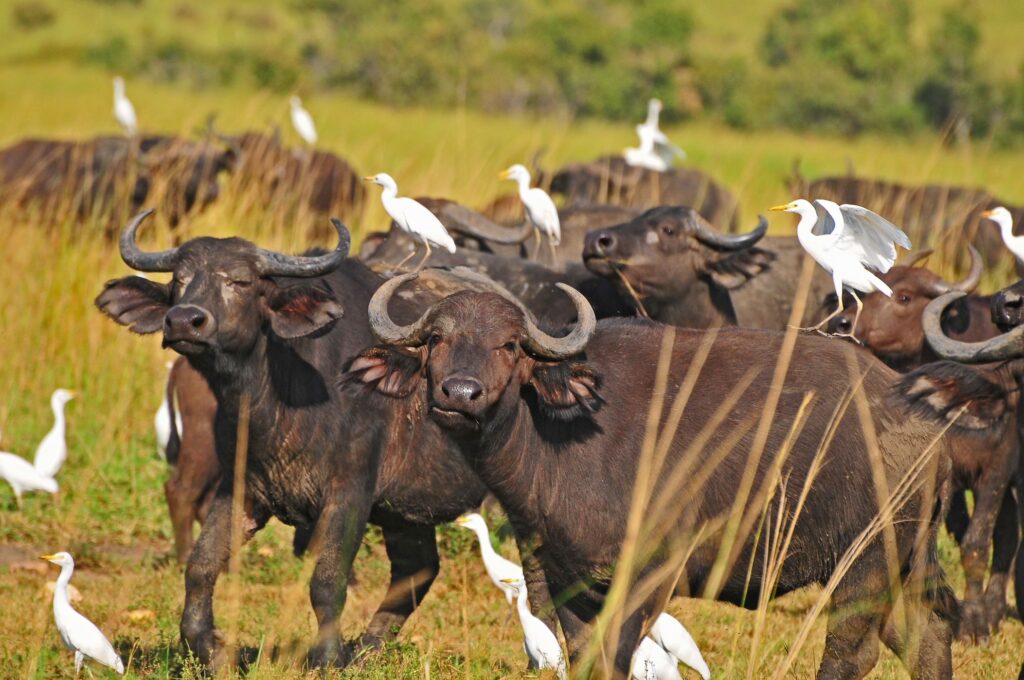
- Giraffe, plains zebra, and large herds of buffalo
- Hippo and Nile crocodile on the lakes
- More than 10 antelope species, including impala, topi, waterbuck, and eland
- Warthog, olive baboon, and vervet monkey
Birdlife is outstanding, with approximately 480–500 recorded species. The wetlands and Lake Ihema offer chances for shoebill, African fish eagle, herons, storks, and a host of waterbirds.
Best viewing areas: The open Kilala Plains in the north are prime for lions, rhinos, and general game.
Lake Ihema and the southern lakes deliver outstanding hippo, crocodile, and bird sightings, especially on boat safaris.
Tourist Attraction and Top Things to Do in Akagera National Park
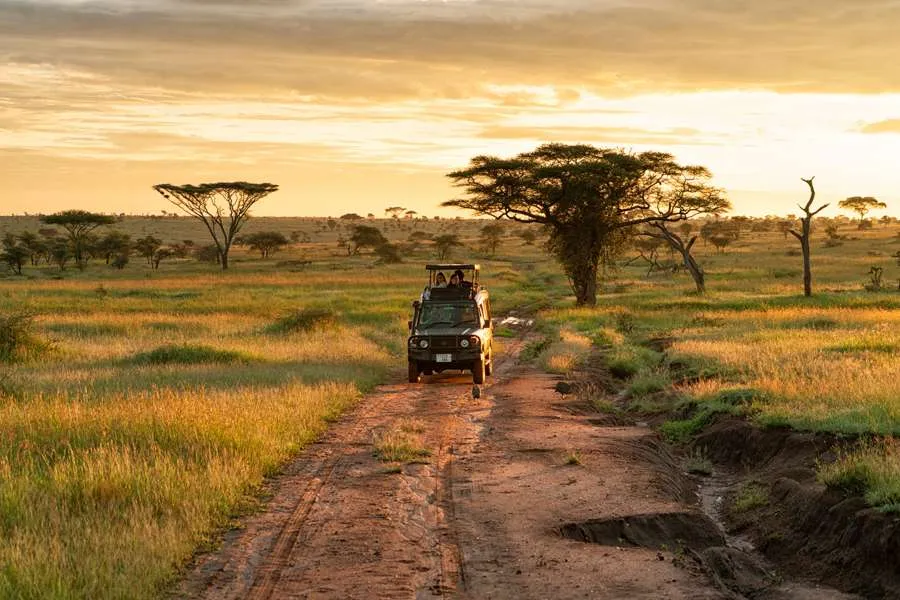
- Game drives (day and night) — The core experience. Early morning and late afternoon drives produce the highest activity. Night drives (offered from certain lodges) reveal nocturnal species and hunting behaviour.
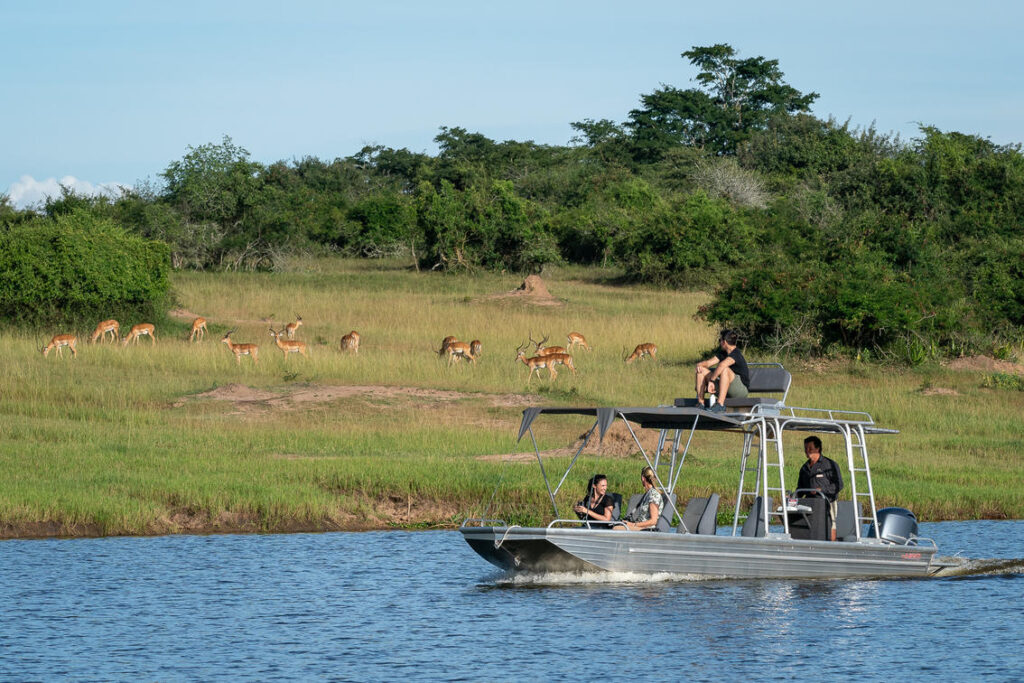
- Boat safari on Lake Ihema — Widely regarded as a must-do. Glide past pods of hippos, massive crocodiles, and rich birdlife. This is often the most productive and photogenic activity in the park.
- Walking safaris and nature walks — Available in selected areas with armed ranger guides for a more intimate perspective.
- Birdwatching — Exceptional year-round and especially rewarding in the wetter months when migrants arrive.
- Wildlife photography — Varied habitats, good light on the plains, and boat-level perspectives create excellent opportunities.
- Optional experiences — Hot-air ballooning has operated seasonally in some years; confirm current availability when booking.
Best Time to Visit Akagera National Park for Safari
Dry seasons (June–September and December–February) offer the best overall game viewing. Grass is shorter, animals concentrate around permanent water, and roads are more reliable. These months coincide with peak demand, so lodges book early.
Wet/green seasons (March–May and October–November) bring lush scenery, dramatic skies, excellent birding, fewer vehicles, and sometimes lower rates.
Some northern tracks can become difficult after heavy rain, but the southern circuit usually remains accessible.
Recommendation: Choose the dry season for maximum wildlife sightings and easier logistics. Choose the green season if you prioritise birds, photography of vibrant landscapes, or lower visitor density.
Where to Stay – Best Lodges in Akagera National Park
Staying inside the park maximises game-drive time and early starts.
| Lodge | Location | Style | Best For |
|---|---|---|---|
| Wilderness Magashi Camp | North (private) | Ultra-luxury tented | Exclusive wildlife, privacy |
| Ruzizi Tented Lodge | South (Lake Ihema) | Eco-luxury tented | Atmosphere & lake access |
| Mantis Akagera Game Lodge | South | Mid-range hotel | Comfort, families, views |
| Karenge Bush Camp | North (Kilala) | Bush camp | Immersive plains experience |
Luxury: Wilderness Magashi Camp sits in a private concession with outstanding access to lions, rhinos, and elephants. Solar-powered, intimate, and consistently rated among Rwanda’s finest safari camps.
Upper mid-range / eco: Ruzizi Tented Lodge offers stylish tents on the shores of Lake Ihema, excellent guiding, and a strong conservation ethos.
Mid-range: Mantis Akagera Game Lodge provides hotel-style rooms, a pool, and panoramic lake views — the most practical choice for many visitors and families. Karenge Bush Camp (renovated and reopened in recent years) places you right on the wildlife-rich Kilala Plains.
Budget and value options exist near the southern gate for travellers who prefer to base outside and enter daily.
Ready to secure the best lodge for your dates?Contact Muzungu Africa Safaris for current availability and tailored recommendations.
How to Get to Akagera National Park & Park Logistics
Akagera National Park lies approximately 110–120 km east of Kigali — a scenic 2 to 2.5-hour drive. Most visitors enter via the southern gate. The park is generally open from 6:00 am to 6:00 pm.
Self-drive is permitted (4×4 recommended, especially in the wet season). Many travellers prefer a guided safari vehicle with a knowledgeable driver-guide.
Community guides can also be hired at the gate. A network of tracks covers the south and north; the northern plains are usually the richest for predators and rhinos but require more driving time.
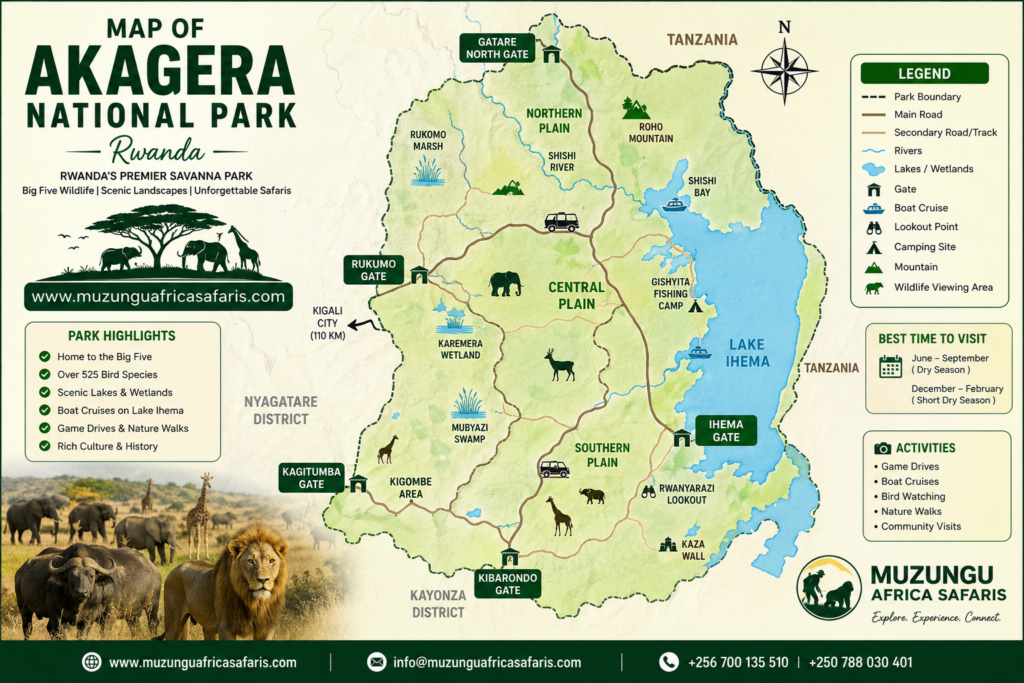
Map of Akagera National Park
Sample Akagera Safari Itineraries
- 1-Day trip from Kigali: Early departure, full-day game drive + boat safari on Lake Ihema, return to Kigali in the evening. Ideal for tight schedules.
- 2-Day / 1-Night classic: Overnight at Ruzizi or Akagera Game Lodge. Afternoon and morning drives plus boat safari.
- 3-Day immersive: Combine south and north (e.g., one night south, one night at Karenge or Magashi) for the fullest experience of plains and lakes.
- Combination trips: Add Akagera before or after gorilla trekking in Volcanoes National Park, or pair it with Nyungwe Forest for chimpanzees and canopy walks. Many travellers allocate 2 nights in Akagera within a broader 7–10 day Rwanda itinerary.
Akagera National Park Costs & Practical Tips
Understanding the costs and practical details of a visit to Akagera National Park helps you budget accurately and maximise your safari experience.
Park Entry Fees (2026 rates) Fees vary by nationality and length of stay. For international visitors, the standard rate is USD 100 per adult for one day/night.
This reduces for multi-night stays inside the park (approximately USD 150 for two nights and USD 200 for three nights). Children aged 6–12 pay half the adult rate, and children under 6 enter free.
East African Community (EAC) citizens and residents, as well as other African visitors, pay significantly lower rates.
Vehicle entry fees also apply and differ for locally registered versus foreign-registered vehicles. Always confirm the latest tariffs when booking, as rates can be updated.
Activity Costs Overview
- Scheduled boat safari on Lake Ihema: approximately USD 35 per adult (day trip) and USD 45 for the longer sunset cruise.
- Night game drive: around USD 40 per adult.
- Private boat charters and guided walks are priced separately.
Most organised safari packages include park fees, vehicle, guide, and selected activities. Self-drivers pay entry and vehicle fees at the gate.
Tipping Tipping is customary and appreciated. A general guideline is USD 10–20 per person per day for a driver-guide, and smaller amounts for lodge staff and boat crew.
Your safari operator can advise on current local expectations.
What to Pack
- Neutral-coloured clothing (beige, olive, khaki)
- Lightweight long-sleeved shirts and trousers
- Warm fleece or jacket for early morning drives
- Sturdy closed shoes
- Wide-brimmed hat, sunglasses, and high-SPF sunscreen
- Binoculars and camera with extra batteries
- Insect repellent
- Reusable water bottle
Health & Safety Akagera National Park lies in a malaria zone — take recommended prophylaxis, use repellent, and sleep under treated nets. A yellow fever vaccination certificate may be required depending on your country of origin.
Stick to park rules, remain in vehicles unless on a guided walk, and follow your guide’s instructions at all times. The park is considered safe when these guidelines are observed.
Photography Tips Early morning and late afternoon light on the Kilala Plains is ideal. Boat safaris on Lake Ihema offer excellent low-angle shots of hippos, crocodiles, and birds.
A versatile zoom lens (e.g., 100–400 mm) works well. Flash is unnecessary and discouraged around wildlife. Always maintain a respectful distance.
Hiring Community Guides Community guides are available at the southern gate and provide valuable local knowledge, especially for self-drivers.
They enhance wildlife spotting and offer insight into the park’s conservation work. Many visitors find that combining a community guide with a professional safari driver delivers the best results.
For a seamless, all-inclusive experience with transparent pricing, Muzungu Africa Safaris can arrange park fees, activities, transport, and accommodation in one tailored package.
Conservation Success Story
Akagera National Park is managed in partnership with African Parks. Systematic anti-poaching, community engagement, and carefully planned reintroductions have transformed the park.
Tourism revenue directly supports ranger operations, veterinary care, and livelihoods in surrounding communities through employment, craft sales, and revenue-sharing.
Visiting Akagera is one of the most tangible ways travellers can contribute to the ongoing recovery of Rwanda’s wildlife.
Frequently Asked Questions Section
Is Akagera National Park a Big Five park?
Yes. Akagera National Park is Rwanda’s only Big Five destination. Lions, elephants, buffalo, leopards, and white rhinos are all present and regularly seen.
Can you self-drive in Akagera National Park?
Yes. Self-driving is permitted with a suitable 4×4 vehicle. Many visitors prefer a guided safari vehicle and driver-guide for better wildlife sightings and local knowledge. Community guides can also be hired at the southern gate.
Is one day enough for Akagera National Park?
A full-day trip from Kigali (game drive + boat safari on Lake Ihema) is rewarding and popular. However, two or three days allow proper exploration of both the southern lakes and the northern Kilala Plains, significantly increasing your chances of quality lion and rhino sightings.
What is the best lodge in Akagera National Park?
It depends on your budget and priorities. Wilderness Magashi Camp is the top luxury choice for exclusivity and wildlife. Ruzizi Tented Lodge offers excellent eco-luxury atmosphere on Lake Ihema. Mantis Akagera Game Lodge is the best mid-range option for comfort, views, and families.
Are night drives available in Akagera?
Yes. Night game drives are offered by several lodges inside the park and provide excellent opportunities to see nocturnal species and predator activity.
Is Akagera National Park suitable for families?
Yes. The park is family-friendly, especially when staying at Mantis Akagera Game Lodge, which accepts younger children and offers more hotel-style facilities. Smaller tented camps may have age restrictions.
How far is Akagera National Park from Kigali?
The park is approximately 110–120 km east of Kigali, a drive of about 2 to 2.5 hours depending on traffic and stops.
What is the best time to visit Akagera National Park?
The dry seasons (June–September and December–February) offer the best game viewing, shorter grass, and more reliable roads. The wet seasons are excellent for birdwatching and fewer crowds.
Do I need a guide in Akagera National Park?
A guide is not mandatory for self-drivers, but strongly recommended. Guided game drives dramatically improve wildlife sightings and overall experience.
Can I combine Akagera with gorilla trekking?
Yes — this is one of the most popular Rwanda itineraries. Most travellers spend 1–2 nights in Akagera National Park before or after gorilla trekking in Volcanoes National Park.
Is the boat safari on Lake Ihema worth it?
Absolutely. The boat safari is widely considered a highlight of any visit. It offers outstanding views of hippos, crocodiles, and birdlife, often at very close range.
Are there malaria risks in Akagera?
Yes. Akagera National Park is in a malaria zone. Take recommended prophylaxis, use insect repellent, and sleep under treated nets.
How much does it cost to visit Akagera National Park?
Costs vary by nationality, season, and activities. Expect park entry fees, vehicle fees, boat safari charges, and lodge rates. Contact a specialist operator for a detailed quote based on your itinerary.
Can I see rhinos in Akagera?
Yes. White rhinos have been successfully reintroduced and are regularly sighted, particularly on the northern plains. Sightings continue to improve as the population grows.
Should I book Akagera lodges in advance?
Yes. Popular properties such as Wilderness Magashi Camp and Ruzizi Tented Lodge fill up months ahead during the dry season. Early booking is strongly advised for 2026 and 2027 travel.
Final Thoughts
Akagera National Park delivers classic East African savanna safari — lions on open plains, elephants, rhinos, boat cruises past hippos, and superb birdlife — in a compact, high-success destination only a few hours from Kigali.
Its conservation turnaround makes every sighting feel meaningful.
Whether you have one full day or three nights, Akagera adds balance, variety, and Big Five excitement to any Rwanda itinerary.
Peak dry-season dates and the top lodges (especially Magashi and Ruzizi) sell out well in advance.
Ready to experience Rwanda’s Big Five? Contact Muzungu Africa Safaris today for expertly designed Akagera National Park itineraries, guaranteed lodge availability, seamless combinations with gorilla trekking, and end-to-end support. Secure your 2026 safari now and witness one of Africa’s greatest wildlife recovery stories for yourself.