Hwange National Park Zimbabwe: The Ultimate Safari Guide
Hwange National Park, Zimbabwe, is Zimbabwe’s largest national park and a premier African safari destination, famous for its large elephant herds, lions, buffalo, giraffes and African wild dogs.
Located in western Zimbabwe near Victoria Falls, Hwange offers exceptional game drives, wildlife photography and authentic wilderness experiences.
The park’s diverse landscapes include grasslands, woodlands and natural waterholes that attract wildlife, especially during the dry season.
Visitors can combine a Hwange National Park safari with Victoria Falls for a complete Zimbabwe adventure. Whether you are seeking a luxury safari or a family holiday.
Imagine the sun setting over the African bush, the air cooling, and the unmistakable sound of crunching leaves under the weight of a massive elephant bull approaching a floodlit waterhole.
This is not a scene from a movie; this is the daily reality of Hwange National Park, Zimbabwe. As Zimbabwe’s largest national park, spanning a massive 14,600 sq km, Hwange boasts one of the highest concentrations of wildlife in Africa.
Whether you are an international traveler from the USA, UK, Europe, Canada, Asia, or a local explorer looking for the ultimate bush getaway, this guide is your definitive resource.
Here, you will learn exactly how to plan your trip, choose the right lodge, and pinpoint the best time to visit. Looking for the perfect getaway?
Check out our customizable Hwange Safari Packages and let us curate your dream African adventure today.
Why Visit Hwange National Park?
Hwange National Park is an untouched wilderness that offers an authentic, raw African safari experience.
Here is why it should be at the top of your travel bucket list:
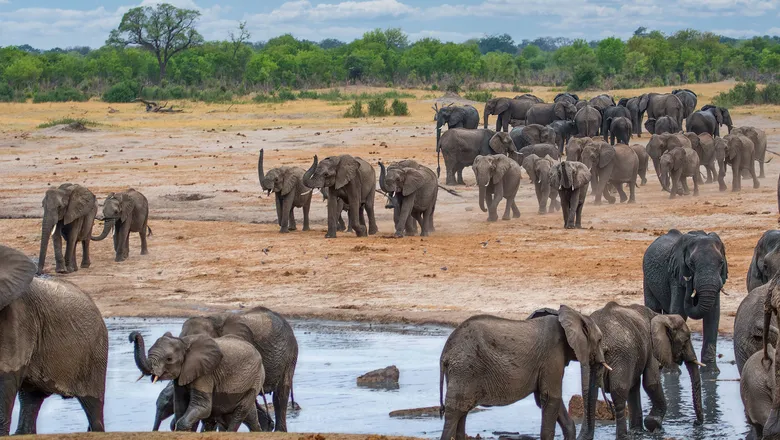
- The Elephant Capital of the World: Hwange is famous for its booming elephant population. During the peak dry season, the park hosts up to 45,000 elephants. Watching massive herds congregate around the waterholes is an awe-inspiring sight you will not find anywhere else.
- Diverse Ecosystems: The park straddles two distinct ecological zones. The southern area features arid Kalahari sands and scrubland, while the northern region transitions into wetter, denser miombo woodlands. This diversity supports a massive variety of flora and fauna.
- Crowd-Free Safaris: Unlike the heavily trafficked parks of East Africa, Hwange offers exclusivity. You can spend hours watching wildlife without crossing paths with another vehicle, ensuring intimate, uninterrupted encounters.
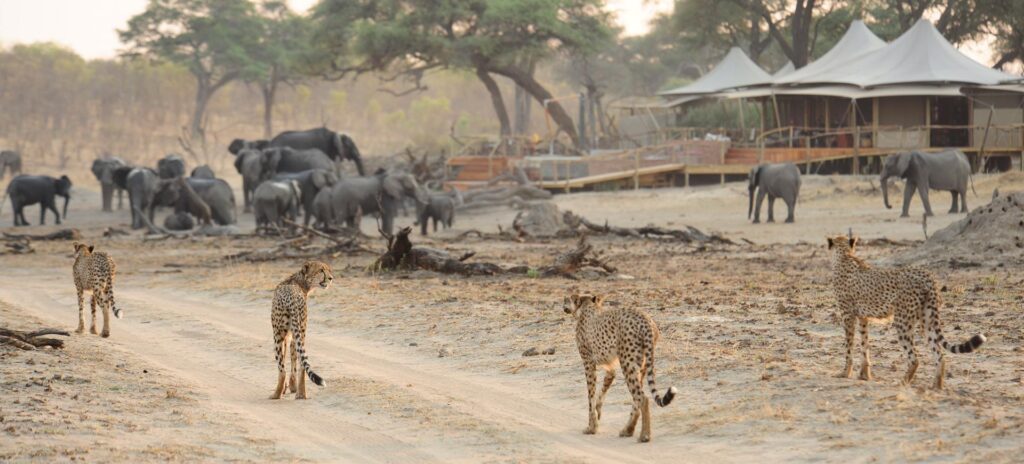
- The Big Five & Beyond: Hwange is home to the iconic Big Five (lions, leopards, rhinos, buffalo, and elephants). Beyond the giants, the park is a sanctuary for the rare African wild dog (Painted Dog), cheetahs, and over 400 bird species, making it a paradise for birders and photographers alike.
A Brief History of Hwange National Park
To truly appreciate Hwange National Park Zimbabwe, one must understand its transformation.
- From Hunting Ground to Sanctuary: Long before it was a protected area, this region was the royal hunting ground of King Mzilikazi, the founder of the Ndebele kingdom. It was heavily depleted of wildlife until protective measures were introduced.
- Ted Davidson’s Legacy: In 1928, the area was proclaimed a game reserve, and Ted Davidson became its first warden. Recognizing that the arid southern region lacked natural surface water, Davidson dug out and established the first artificial waterholes. He personally hauled water by truck to sustain the animals. Today, these pumped waterholes are the lifeblood of the park.
- The Name Change: Originally known as the Wankie Game Reserve, the park was renamed Hwange National Park following Zimbabwe’s independence in 1982, honoring a local local Nhanzwa chief.
The Best Time to Visit Hwange
Timing your trip is crucial for maximizing your wildlife sightings. Here is a breakdown of the seasons to help you decide the best time to visit Hwange:
1. Dry Season (May to October) – The Peak Safari Time
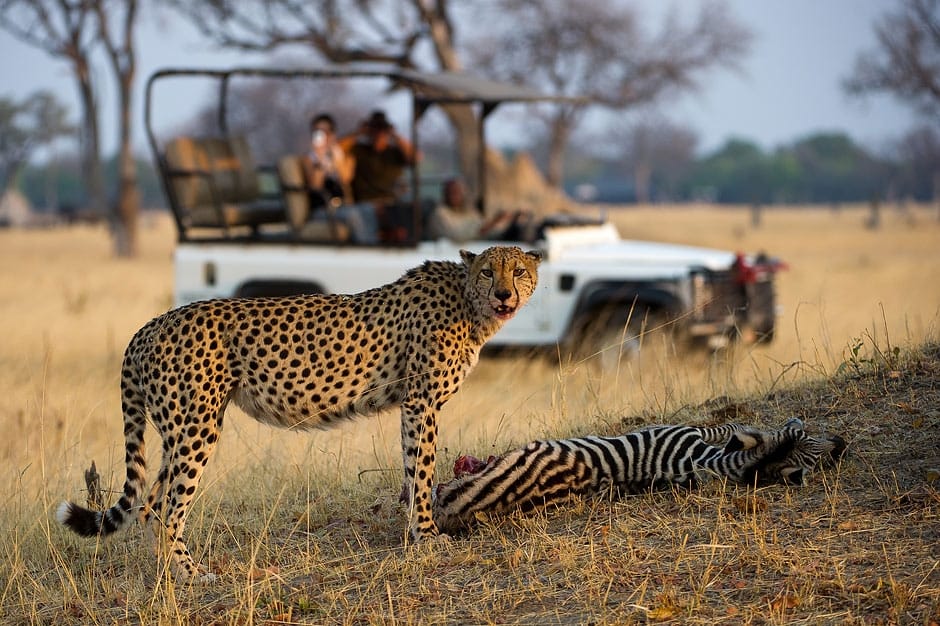
This is the prime time for a Hwange safari. As the dry season progresses, vegetation thins out, and water becomes scarce. Animals are forced to congregate around the pumped waterholes, making sightings spectacular and predictable.
September and October are exceptionally dramatic, offering prime predator action as lions and leopards ambush thirsty prey.
2. Green/Wet Season (November to April) – The Secret Season
The Green Season transforms the park into a lush, green paradise. This is the calving season, meaning you will witness newborn animals taking their first steps.
It is also the best time for birdwatching as migratory species arrive. This is a budget-friendly time with fewer crowds.
Green season safaris offer incredible value. [View our low-season Hwange specials and save big on your next trip!]
Where to Stay: Top Lodges and Camps in Hwange
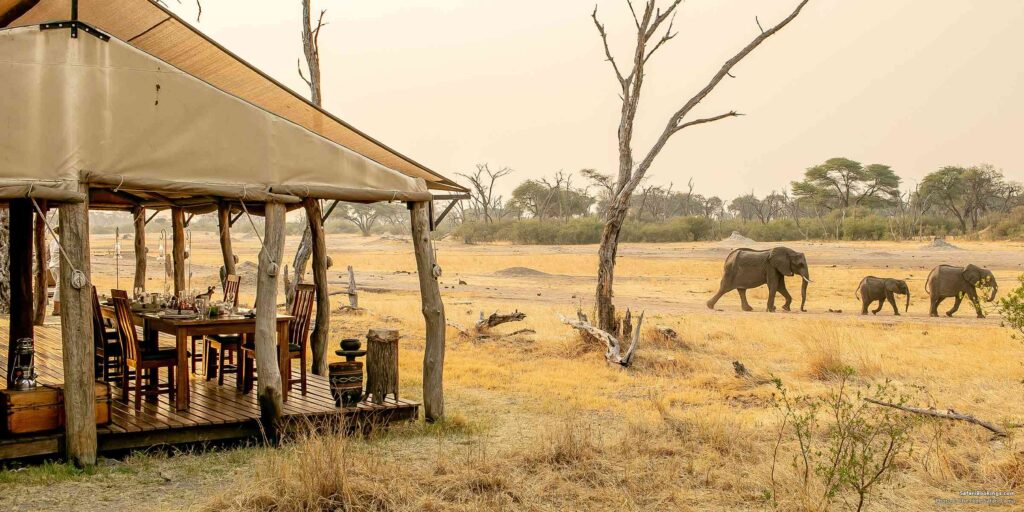
Choosing the right accommodation can make or break your safari. Hwange offers everything from ultra-luxury to rugged self-catering.
- Luxury Lodges: For travelers seeking opulence, lodges like Hwange National Park Lodge and Hide Safaris offer 5-star service. Expect private decks, plunge pools overlooking active waterholes, and gourmet dining under the stars.
- Mid-Range Tented Camps: Somalisa Camp is a perfect example of authentic, walk-in tented camps that provide luxury without the premium price tag. You get the true “out of Africa” feel with the safety and comfort of modern amenities.
- Budget & Self-Catering: For self-drivers, Main Camp and Robins Camp offer ZimParks campsites and basic chalets. These are highly affordable and give you the freedom to explore at your own pace.
- Private Concessions vs. National Park Land: It is vital to know the difference. Private concessions border the park and allow night drives and walking safaris. National Park land is strictly daytime game drives.
Accommodation fills up fast during peak season! Contact us today to secure your spot at the best lodges in Hwange.
Exploring Hwange: The Three Main Regions
Hwange National Park Zimbabwe is divided into three distinct regions, each offering a unique safari experience:
- Northern Hwange (Sinamatella): Characterized by rocky hills and denser vegetation. This area is renowned for massive herds of buffalo and sable antelope. The vantage points from the hills offer sweeping views of the valleys below.
- Eastern Hwange (Main Camp & Ngweshla Pan): This is the most accessible area, located just off the main tar road. A major highlight here is the Nyamandhlovu Platform—a raised viewing deck perfect for photography. It overlooks a massive pan where elephants and lions frequently gather.
- Western Hwange (Robins Camp): Remote, rugged, and raw. This area is ideal for intrepid travelers. It is famous for its large African wild dog packs and offers a truly off-the-beaten-path, away-from-the-crowd experience.
Safari Activities: What to Do in Hwange
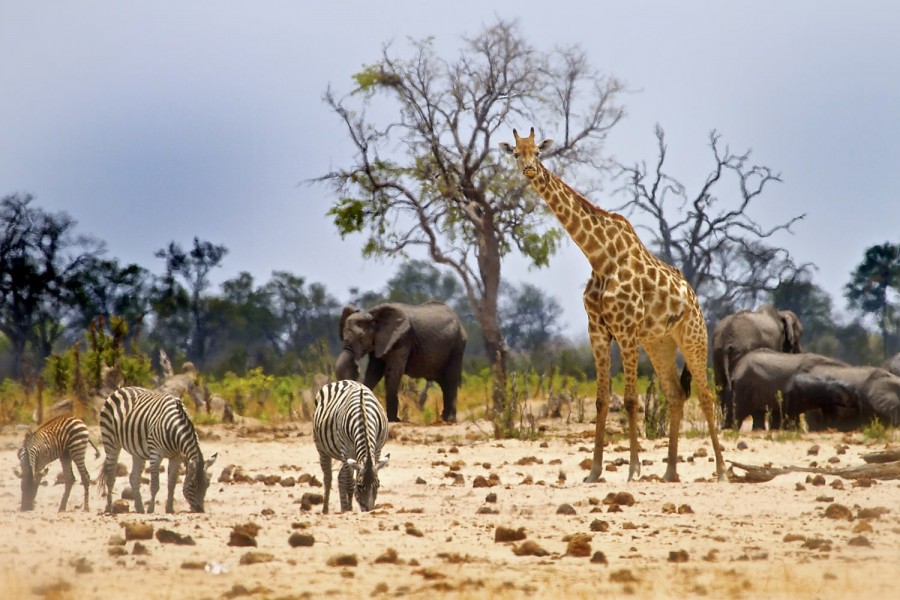
A Hwange safari is not just about sitting in a vehicle; it is about engaging all your senses.
- Game Drives (Morning & Evening): The standard 4×4 safari experience. Morning drives offer active predators, while evening drives end with a spectacular sunset and sundowners in the bush.
- Night Drives: Only available in private concessions, night drives use spotlights to reveal nocturnal life. Spotting an aardvark, a genet, or a stealthy leopard on the prowl is an unforgettable thrill.
- Walking Safaris: Experience the adrenaline of tracking rhinos or elephants on foot. Accompanied by an armed professional guide, walking safaris connect you to the smaller details of the bush often missed from a vehicle.
- Pump House Visits & Conservation Tours: A uniquely Hwange experience. Visit the diesel pumps that keep the waterholes alive. Tourists can learn about and contribute to the “Friends of Hwange” charity, which funds fuel for these vital pumps.
Want to experience the bush on foot? Book a guided walking safari with our certified experts today!
How to Get to Hwange National Park
Getting to Hwange is straightforward, with options for both fly-in luxury and self-drive adventurers.
- By Air: The most common route for international travelers is flying into Victoria Falls Airport (VFA). From there, you can take a light charter flight directly into Hwange’s airstrips (e.g., Hwange Main Camp or Kennedy airstrip), taking just 45 minutes.
- By Road: If you prefer a road trip, the drive from Victoria Falls to the Hwange Main Camp gate is approximately 2 hours on a well-maintained tarred road.
- Self-Drive Tips: A 4×4 vehicle is highly recommended once inside the park. Ensure you carry enough fuel, as there are no fuel stations inside the park. Have your park permit fees ready in USD.
Skip the stress of navigation. Book our all-inclusive Victoria Falls to Hwange transfer packages for a seamless, luxury journey.
Conservation and Community: Eco-Tourism in Hwange
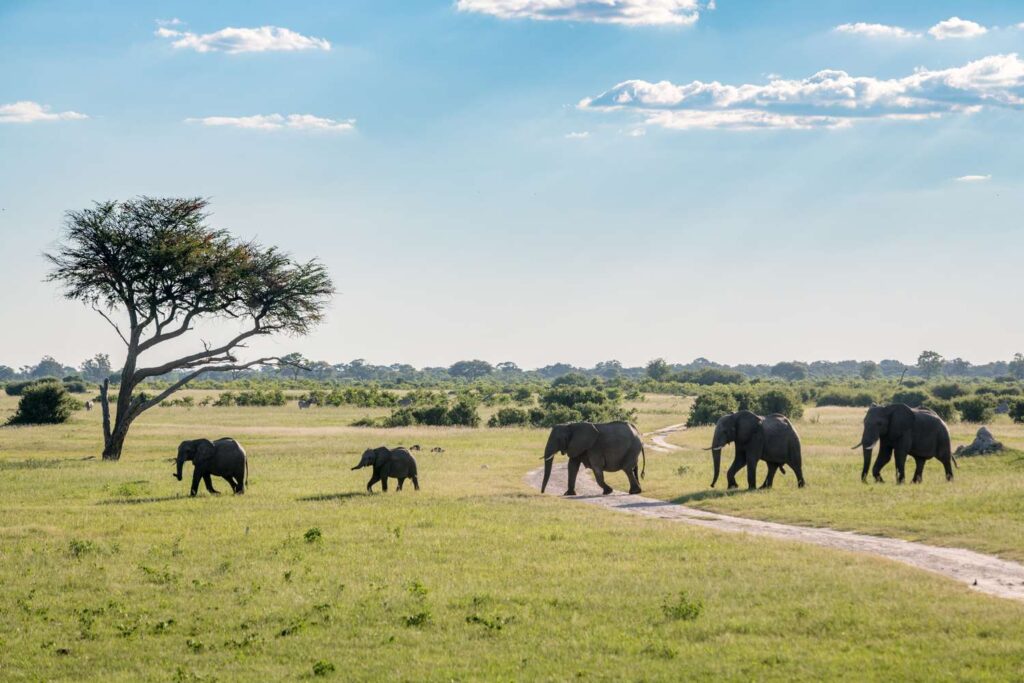
When you visit Hwange, you are not just a tourist; you are a vital contributor to conservation.
- The Waterhole Project: The park’s ecosystem relies heavily on the artificial water supply during brutal droughts. Your park fees and tourism dollars directly fund the fuel and maintenance of these life-saving pumps.
- Anti-Poaching Units: Organizations like the Painted Dog Conservation work tirelessly to protect the endangered wild dogs from snares and habitat loss.
- Community Upliftment: Many Hwange lodges actively support local communities by funding schools, clinics, and clean water projects.
By booking a trip through our platform, you are actively contributing to saving African wildlife and empowering local Zimbabwean communities.
Practical Tips for Your Hwange Safari
To ensure your trip is flawless, keep these practical tips in mind:
- Currency: The USD is widely accepted and preferred in Zimbabwe. Clarify current Zimbabwean currency situations with your booking agent, but always carry small denominations of USD for tips and park fees.
- Health & Safety: Hwange is a malaria-risk zone. Consult your doctor for anti-malarial medication. Comprehensive travel insurance is non-negotiable for international travelers.
- Packing List:
- Neutral-colored clothing (khaki, olive, brown)
- A high-quality pair of binoculars
- Power banks for early morning game drives (lodge power can be intermittent)
- A warm jacket for cold winter mornings (June-August)
Frequently Asked Questions (FAQ)
Q: How many elephants are in Hwange National Park?
A: Hwange is home to one of the world’s largest elephant populations, with numbers swelling to up to 45,000 during the peak dry season.
Q: Is Hwange safe for tourists?
A: Yes, Hwange National Park is very safe for tourists. The local guides are highly trained, and crime against tourists is virtually non-existent. Standard safari safety rules (staying in vehicles) apply.
Q: Can you see the Big Five in Hwange?
A: Yes. Hwange is home to all of the Big Five—lion, leopard, elephant, buffalo, and rhino. While rhino sightings are rare due to heavy protection and remote locations, the other four are frequently spotted.
Conclusion: Is Hwange National Park Right for You?
If you are seeking a raw, authentic, elephant-heavy, and crowd-free safari, Hwange National Park Zimbabwe is the ultimate destination.
It perfectly balances luxury and rugged wilderness, offering an African experience that stays with you forever.
Hwange is waiting for you. Don’t just read about the African bush—experience it.
For those looking to expand their African odyssey, combine your Southern African safari with the majestic primates of East Africa.
Click here to book your gorilla permit through Muzungu Africa Safaris and experience the ultimate wildlife journey today!