African Safari Packing List: The Ultimate Expert Guide 2026
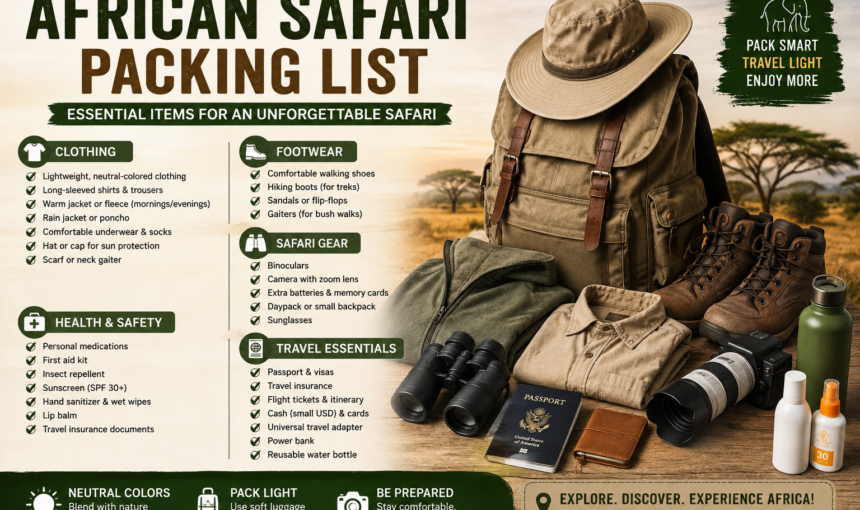
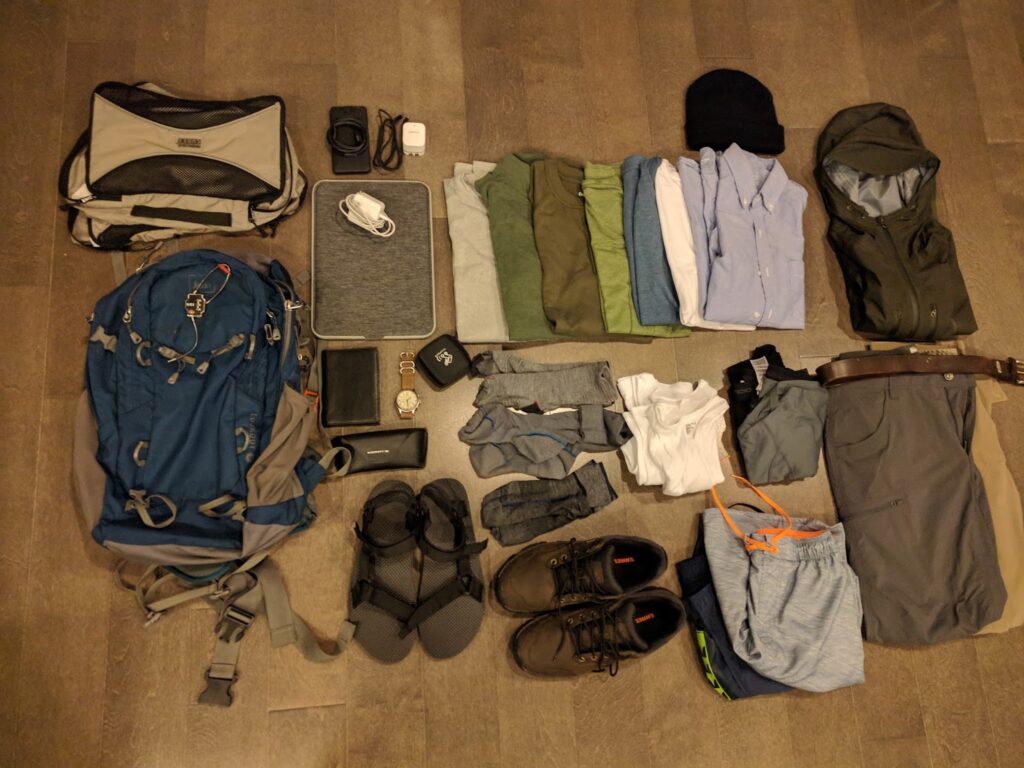
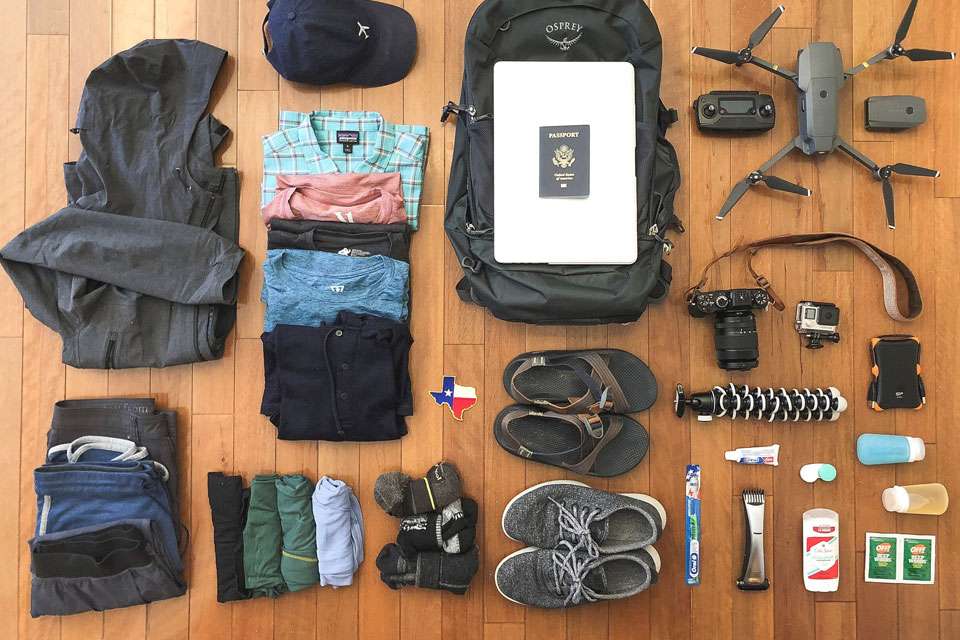
African Safari Packing List is essential for a safe, comfortable, and unforgettable wildlife adventure. Pack lightweight, neutral-colored clothing, sturdy hiking boots, a waterproof jacket, a wide-brim hat, sunscreen, insect repellent, sunglasses, and a reusable water bottle.
Bring binoculars, a camera with extra batteries, travel documents, personal medications, and a small daypack for daily excursions.
Avoid bright colors and excessive luggage, especially on light aircraft flights.
A well-planned African Safari Packing List ensures you are prepared for changing weather, game drives, gorilla trekking, and cultural experiences, allowing you to enjoy every moment of your African safari with confidence.
The thrill of hearing a lion’s roar at dawn or watching a massive elephant herd cross a dusty savannah is unmatched.
However, the anxiety of preparing for such an expedition can be overwhelming, especially for first-time visitors from the USA, UK, Europe, Canada, and Australia.
Figuring out what to wear for freezing dawn game drives, sweltering midday heat, and rugged off-road conditions leaves many travelers paralyzed by choice.
At Muzungu Africa Safaris, as experienced safari guides and tour operators who have spent decades navigating the African bush—from the sweeping plains of the Serengeti to the dense forests of Uganda—we have seen every packing mistake imaginable.
This comprehensive African safari packing list covers exactly what to wear, the essential gear you need, and conservation-friendly choices to protect the wild places we love.
The Golden Rules of Safari Packing
To pack successfully for an African safari, you must first understand the unique constraints of bush travel.
Follow these four golden rules:
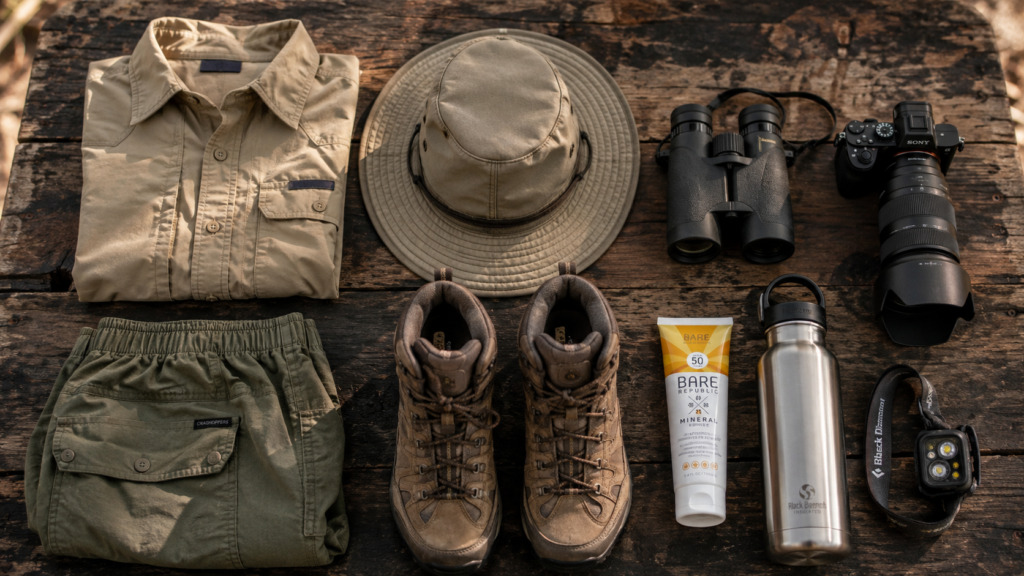
- Soft-sided Luggage Only: If you are flying between safari camps via light aircraft (common in Botswana, Tanzania, and Kenya), you will face a strict luggage weight limit of usually 15kg (33lbs), including camera gear. There is no space for hard-shell suitcases in small Cessna caravans. Pack only soft, pliable duffel bags.
- Layering is Everything: The African climate is extreme. Dawn game drives can drop to near freezing (40°F/5°C), while midday temperatures can soar past 90°F (32°C). The secret to safari clothing is layering—peeling off a fleece as the sun rises and adding it back as the sun sets.
- Go Neutral: Pack khaki, olive, brown, and tan. Neutral colors camouflage you from wildlife and keep you cool. Crucially, avoid black and dark blue, which attract tsetse flies (a nuisance in East Africa). Avoid bright whites and neon colors, which instantly get ruined by red African dust and alert animals to your presence.
- Leave the Camo at Home: Military-style camouflage clothing is illegal in many African countries, including Uganda, Kenya, and Tanzania, as it is reserved for military personnel. Stick to solid, earthy tones.
Ready to plan your bush adventure? Explore our handcrafted African Safari Itinerariesand speak to an expert tour operator today to customize your dream trip.
Safari Clothing Essentials: What to Wear in the Bush
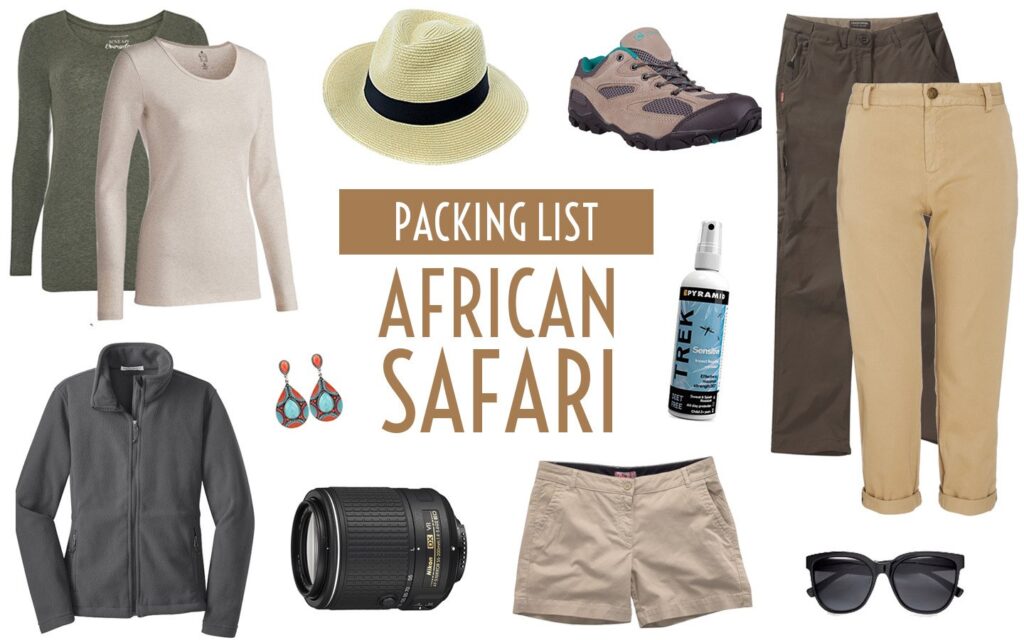
Selecting the right safari clothing is about functionality, protection, and comfort.
1. Tops & Shirts (3-4)
- Long-sleeved button-downs: These are the ultimate safari shirts. Long sleeves protect your arms from the brutal equatorial sun and thorny brush while also serving as a mosquito barrier at dusk. Roll the sleeves up when it gets hot.
- Moisture-wicking fabrics: Choose merino wool (which naturally resists odor) or high-tech synthetics. Cotton holds sweat and takes hours to dry.
- Gear Recommendation: Look into brands like Columbia PFG, ExOfficio, or Fjällräven for durable, UPF-rated safari wear.
2. Bottoms (2-3 pairs)
- Convertible zip-off pants: While they might not be a fashion statement in Paris, zip-off pants are polarizing but incredibly practical in the bush. They transition from trousers to shorts in seconds.
- Breathable safari trousers: For evening game drives, pack a pair of comfortable, lightweight trousers. Avoid denim jeans—they are too heavy, trap heat, and take days to dry if caught in a sudden downpour.
3. Outerwear (1-2 pieces)
- A warm, windproof fleece or down jacket: Dawn drives in open vehicles are notoriously windy and cold. A packable down jacket or a thick windproof fleece is non-negotiable.
- Lightweight rain jacket: Essential if you are traveling during the Green Season (November to April). Choose something that packs into its own pocket.
4. Undergarments & Sleepwear
- Moisture-wicking underwear: Pack 4-7 pairs of synthetic or merino wool underwear.
- Socks: Merino wool socks are best for bush walks to prevent blisters and regulate temperature.
The Best Safari Footwear
You do not need heavy, rigid mountaineering boots for a standard vehicle-based safari.
Keep your luggage light with these safari footwear essentials:
- Closed-toe, lightweight hiking shoes: Essential for walking safaris, bush dinners, and navigating rocky lodge grounds. Trail running shoes or lightweight hikers are perfect.
- Comfortable slip-ons/sandals: For lounging at the campfire or walking around your luxury lodge tent. Birkenstocks or sturdy sandals are ideal.
- Gaiters: Optional, but highly recommended for walking safaris in tall grass to prevent seeds, thorns, and ticks from entering your shoes.
Essential Safari Gear & Electronics
The right safari gear elevates your experience from good to unforgettable.
Do not skimp on these items.
1. Optics (The Most Important Item)
- Binoculars: If there is one item to invest in, it is this. A leopard hiding in a tree 200 yards away is invisible to the naked eye. Bring an 8×42 or 10×42 binocular. The first number is magnification, the second is lens diameter (light-gathering ability). Do not rely on cheap, compact binoculars; you will be fighting your equipment all trip.
2. Photography Gear
- DSLR/Mirrorless camera with a telephoto lens: To capture crisp, frame-filling wildlife shots, you need a lens with at least a 200mm to 400mm focal length.
- Extra batteries and high-capacity memory cards: You are in the bush, far from stores. Power outlets are limited, and dust is pervasive. Bring two spare camera batteries and at least 128GB of memory card storage. You will take thousands of photos.
3. Power & Connectivity
- Universal adapter: African lodges use various plug types (Type M in South Africa, Type G in Uganda/Kenya, Type C in Rwanda). A universal adapter is mandatory.
- High-capacity power bank: Many remote camps turn off generators at night. A 20,000mAh power bank ensures your phone and camera batteries stay charged. Solar options are highly recommended for eco-conscious travelers.
4. Lighting
- Headlamp with a red light mode: Essential for walking back to your tent after dinner. The red light mode prevents you from blinding your guide during night drives and doesn’t attract swarms of insects.
Toiletries & First Aid: Health on the Savannah
Your health in the bush relies on basic prevention.
Here is the safari first aid kit you must assemble:
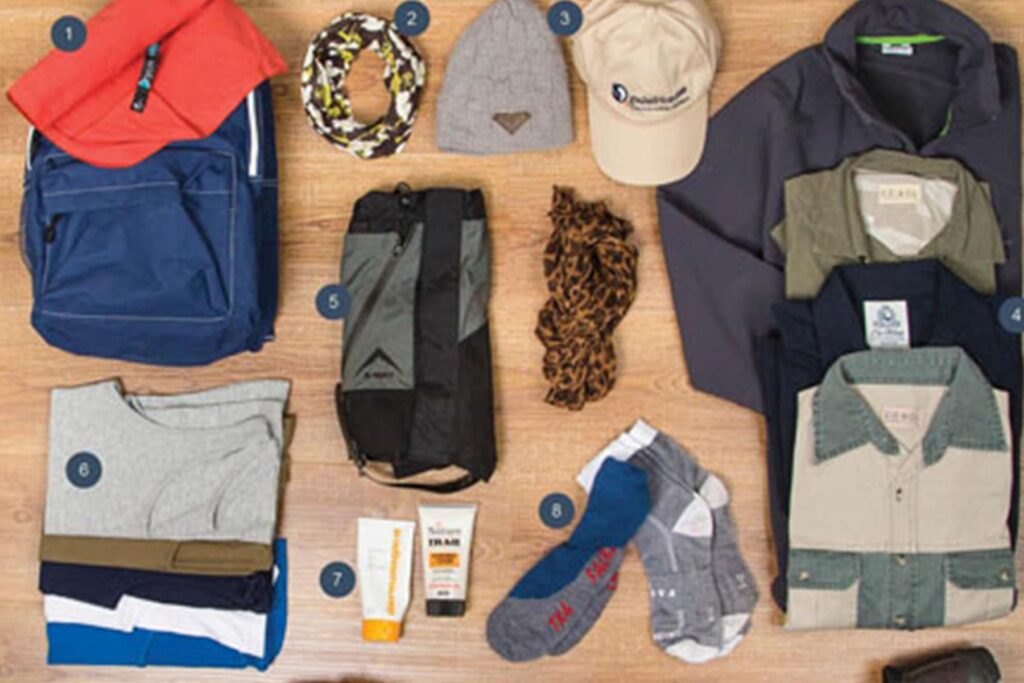
- Sun Protection: The African sun is unforgiving. Pack broad-spectrum SPF 50+ sunscreen. We strongly recommend reef-safe, mineral-based options to protect local aquatic ecosystems.
- Bug Repellent: Protect against malaria and other mosquito-borne illnesses. Use a repellent containing 30-50% DEET, or Picaridin. Pro tip: Treat your safari clothes with Permethrin spray before your trip for an extra layer of invisible bug protection.
- Basic First Aid Kit: Include antihistamines, antidiarrheals (Imodium), rehydration salts (ORS), band-aids, and motion sickness pills for the notoriously bumpy dirt roads or light aircraft transfers.
- Eco-Friendly Toiletries: Bring biodegradable soap and shampoo. Avoid products with microplastics (like exfoliating beads) that can harm local water systems.
Medical: Unsure about malaria medication or required yellow fever vaccinations? Consult your local travel clinic 4-6 weeks before your trip to ensure you are fully protected.
Packing for Conservation: Eco-Friendly Choices
As conservation writers, we implore travelers to consider the environmental impact of their safari packing list.
True eco-friendly travel starts in your suitcase:
- Ditch single-use plastics: Bring a high-quality reusable water bottle. Brands like LifeStraw or HydroFlask keep water cold for hours and filter out impurities, reducing plastic waste in national parks.
- Pack reusable cloth bags: Use lightweight cloth bags for dirty laundry and separating shoes from clean clothes. This eliminates the need for plastic laundry bags provided by hotels.
- Choose mineral-based sunscreens: If your itinerary includes a beach extension in Zanzibar, Cape Town, or Mozambique, chemical sunscreens (oxybenzone) cause coral bleaching. Protect the reefs by using zinc oxide-based sunscreens.
Specialized Safari Packing Considerations
Gorilla Trekking Add-On (Uganda/Rwanda)
If you are extending your trip to trek endangered mountain gorillas, the packing requirements change drastically.
Gorilla habitats are high-altitude rainforests, meaning it is cold, wet, and extremely muddy.
- Sturdy, waterproof hiking boots: Ankle support is critical on steep, slick trails.
- Gardening gloves: You will grab stinging nettles and thick foliage to pull yourself up the mountain. Thick gloves protect your hands.
- Gaiters: Essential for keeping deep, suction-like mud out of your boots.
- Thick, breathable rain poncho: Better than a jacket for the dense forest, as it covers your daypack entirely.
Family Safari Packing
Traveling with kids? Strollers are entirely useless on safari vehicles and lodge paths. Pack a soft baby carrier for infants.
For older children, bring window clings, bino-buddies (harnesses for binoculars), and plenty of non-messy snacks to keep them occupied during long game drives.
What NOT to Pack on an African Safari
To keep your luggage under the 15kg limit and avoid drawing unwanted attention, leave these items at home:
- White or bright clothing: It ruins sightings by reflecting light, and red African dust will permanently stain it.
- Jewelry and flashy valuables: Unnecessary in the bush. Leave the diamonds and gold watches at home to avoid attracting unwanted attention in transit hubs.
- Hair dryers/straighteners: Many eco-lodges run on solar power and explicitly ban high-wattage hair appliances. Embrace the natural look.
- Hard-shell suitcases: As reiterated in the Golden Rules, they will not fit into light aircraft or safari vehicle trunks.
Conclusion & Call to Action
Packing smart for an African safari means packing light, focusing on neutral-colored layers, and investing in good optics.
By preparing for the dust, the temperature swings, and the rugged terrain, you free yourself up to fully immerse in the breathtaking wildlife and cultures of Africa.
Now that your bag is packed, it’s time to plan the adventure of a lifetime. Whether you dream of witnessing the Great Migration in Kenya, exploring the Okavango Delta in Botswana, or coming face-to-face with a silverback gorilla in the misty mountains of Uganda, our team is ready to make it happen.
Book your gorilla permit and ultimate African safari through Muzungu Africa Safaris today.
As local experts operating on the ground, we secure highly sought-after, guaranteed gorilla trekking permits in Uganda and Rwanda, ensuring a seamless, ethical, and unforgettable wildlife encounter.
👉 [Contact Muzungu Africa Safaris now to customize your dream safari itinerary and secure your gorilla permits before they sell out!]
What are you most excited to see on your safari? Let us know in the comments below!