Lake Manyara National Park: Complete Tanzania Safari Guide
What makes Lake Manyara National Park one of Tanzania’s most rewarding safari destinations? Tucked beneath the Great Rift Valley escarpment in northern Tanzania, Lake Manyara National Park packs an alkaline soda lake, ancient groundwater forest, open woodlands, wetlands and dramatic escarpment scenery into a compact 648.7 km² national park.
It is famous for its legendary tree-climbing lions, large elephant herds, seasonal flamingo flocks and more than 400 recorded bird species — all within easy reach of Arusha, Tarangire, Ngorongoro Crater and the Serengeti.
Planning a Tanzania safari? [Contact Muzungu Africa Safaris] to create a tailor-made Lake Manyara itinerary combined with Tarangire, Ngorongoro Crater and the Serengeti.
What Is Lake Manyara National Park Famous For?
Lake Manyara National Park is most famous for its tree-climbing lions, large elephant population, seasonal flamingos, ancient groundwater forest and its dramatic setting beneath the Great Rift Valley escarpment.
Here’s what defines this remarkable park:
1. Tree-Climbing Lions. Lake Manyara is one of the few places in Africa where lions regularly rest in trees. Draping themselves across acacia and fig branches, these big cats are the park’s signature attraction.
Sightings are never guaranteed — lions are wild animals, not zoo exhibits — but Manyara remains one of the best places in East Africa to search for this behaviour.
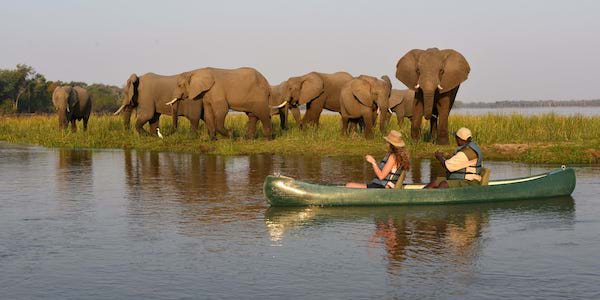
2. Elephants. The park protects a healthy population of African elephants, famously studied by researchers in the 1960s. Encounters within the shaded forest and open woodland are frequent and often remarkably close — from the safety of your safari vehicle.
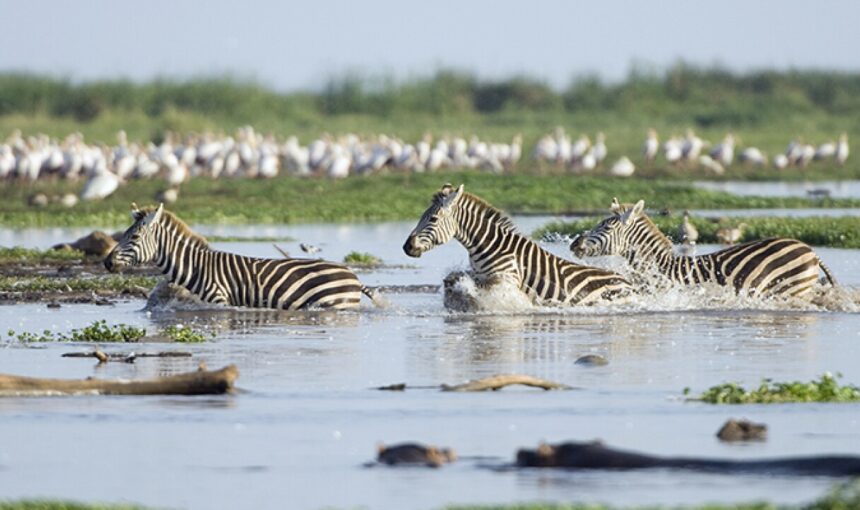
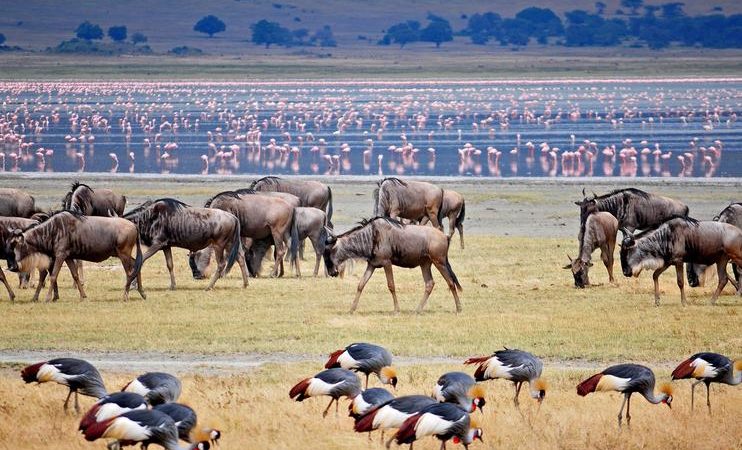
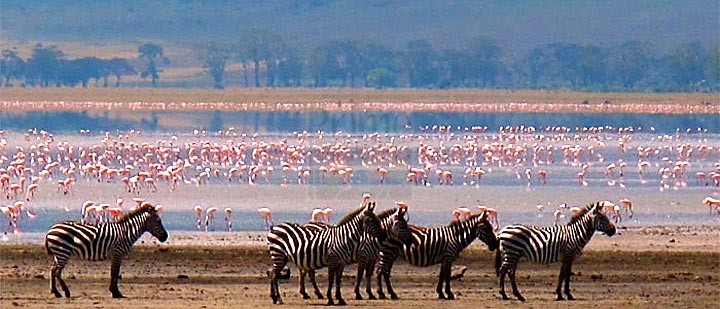
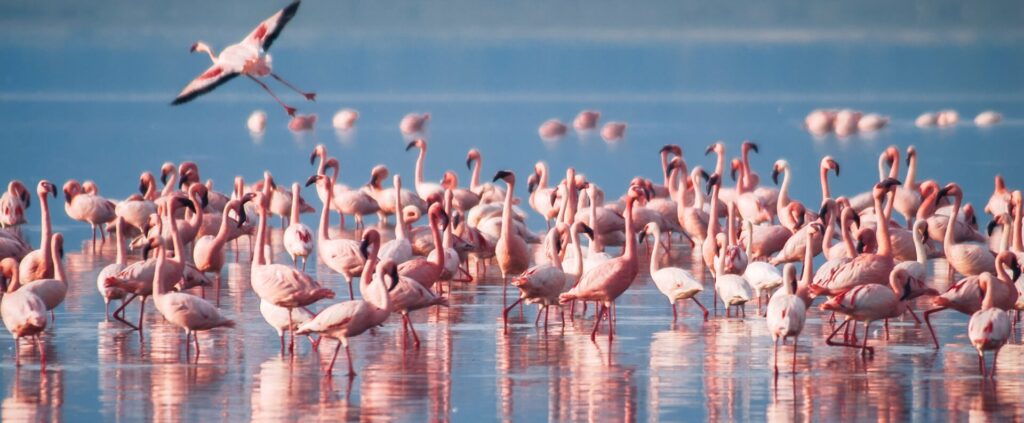
3. Flamingos. The shallow alkaline lake turns pink during peak season, when hundreds of thousands of flamingos and other waterbirds gather along its edges. Like all wildlife spectacles, this is seasonal and weather-dependent.
4. Groundwater Forest. Fed by springs seeping from the Rift Valley wall, the park’s lush forest of mahogany and giant fig trees shelters blue monkeys, baboons, bushbuck and a wealth of forest birdlife — a rare jungle experience on an African savannah safari.
5. The Rift Valley Landscape. The park sits in the shadow of a 600-metre-high escarpment, creating one of the most photogenic backdrops in northern Tanzania.
TANAPA (Tanzania National Parks) specifically highlights the groundwater forest, tree-climbing lions, soda lake, flamingos and the Rift Valley escarpment among the park’s defining attractions.
Want to see Lake Manyara’s famous tree-climbing lions for yourself? [Request your free safari quote] from Muzungu Africa Safaris today.
Where Is Lake Manyara National Park?
Lake Manyara National Park is located in northern Tanzania, in the Manyara Region, at the base of the Great Rift Valley escarpment, near the town of Mto wa Mbu.
Key location facts for travellers:
- Country: Tanzania, East Africa
- Region: Northern Tanzania, in the Great Rift Valley
- Nearest town: Mto wa Mbu (literally “Mosquito River”), a bustling multicultural trading town at the park’s entrance
- Distance from Arusha: Approximately 125 km southwest — around 2 to 2.5 hours by road, depending on traffic and road conditions
- Proximity to Ngorongoro: Roughly 1 to 1.5 hours from the Ngorongoro Crater area (Karatu)
- Safari circuit: A core stop on the Northern Tanzania Safari Circuit, alongside Tarangire, Ngorongoro and the Serengeti
Travellers short on time can fly into Manyara Airstrip on a scheduled or charter flight, bypassing the road transfer entirely.
Because of its compact size and convenient position between Tarangire National Park and Ngorongoro Crater, Lake Manyara fits almost seamlessly into any Northern Tanzania itinerary.
Explore our complete range of [Tanzania Safari Tours] and [Northern Tanzania Safaris] to see how Manyara fits into your route.
Lake Manyara National Park at a Glance
Source: current official TANAPA park information, which lists the park area as 648.7 km².
Lake Manyara National Park covers 648.7 km², is located about 125 km from Arusha, hosts 400+ bird species and is famous for tree-climbing lions.
What Animals Can You See in Lake Manyara National Park?
Wildlife in Lake Manyara National Park includes African elephants, tree-climbing lions, buffalo, giraffes, zebras, wildebeest, hippos, baboons, blue monkeys, bushbuck, antelopes and more than 400 bird species.
Despite its compact size, Manyara delivers a remarkably diverse game-viewing experience.
Per TANAPA, the park’s resident wildlife includes:
- African elephants — often seen in the forest and woodland zones
- Tree-climbing lions — the park’s headline species
- Buffalo — large herds graze the lakeshore plains
- Giraffes and zebras — abundant in open woodland
- Wildebeest — resident populations roam the plains
- Hippos — gather in the park’s water pools and hippo pond
- Baboons — Lake Manyara hosts some of Africa’s largest baboon troops
- Blue monkeys and bushbuck — spotted inside the groundwater forest
- Impala, waterbuck, klipspringer and dik-dik — smaller antelope species
- Leopards — present but shy and rarely seen
Lake Manyara Animal Sightings Guide
Honest expert advice: no responsible operator can promise specific sightings. What Manyara does promise is variety — few parks this size offer forest, lake, plains and escarpment wildlife in a single game drive.
Are There Tree-Climbing Lions in Lake Manyara?
Yes. Lake Manyara National Park is famous for lions that may rest in trees, making tree-climbing lions one of the park’s signature attractions.
Unlike most lions, which stay on the ground, Manyara’s prides are frequently spotted lounging in the branches of acacia and fig trees. Why do lions climb trees here? Researchers point to several theories:
- Shade and cooling — elevated branches catch the breeze away from the hot ground
- Escaping biting insects — tsetse flies and other pests are a real irritation at ground level
- Vantage points — height offers a view over the plains and potential prey
- Simple comfort — some prides simply seem to enjoy it, and the behaviour is passed down through generations
Important: sightings are not guaranteed. Lions sleep up to 20 hours a day, and on any given drive they may be hidden in dense woodland. A skilled guide dramatically improves your odds — which is exactly why travelling with an experienced local operator matters.
TANAPA itself describes Lake Manyara as a destination associated with tree-climbing lions, confirming its status as one of Africa’s best places to witness this rare behaviour.
Want to photograph Lake Manyara’s famous tree-climbing lions? [Ask Muzungu Africa Safaris to include Manyara in your Northern Tanzania safari itinerary].
What Are the Best Things to Do in Lake Manyara National Park?
The best things to do in Lake Manyara National Park include game drives, bird watching, the Treetop Canopy Walkway, guided nature walks, night game drives (where permitted) and cultural experiences in nearby Mto wa Mbu.
1. Game Drives
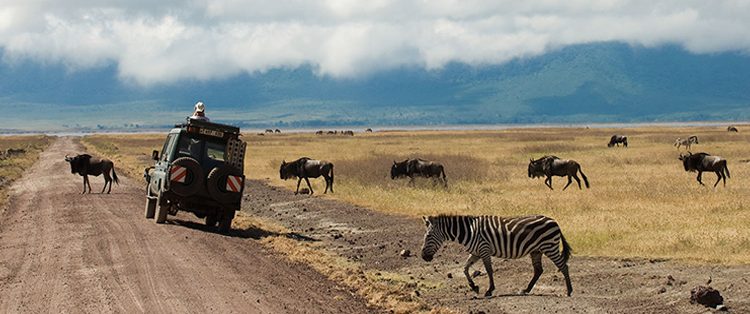
The heart of any Lake Manyara safari. Full-day and half-day game drives explore the forest, lakeshore plains and woodland in search of elephants, lions, buffalo and giraffes — all beneath the escarpment.
2. Bird Watching
With over 400 recorded species, Lake Manyara is arguably northern Tanzania’s finest birding destination. Expect flamingos, pelicans, storks, hornbills, kingfishers, silvery-cheeked hornbills and raptors in a single day.
3. Treetop Canopy Walkway
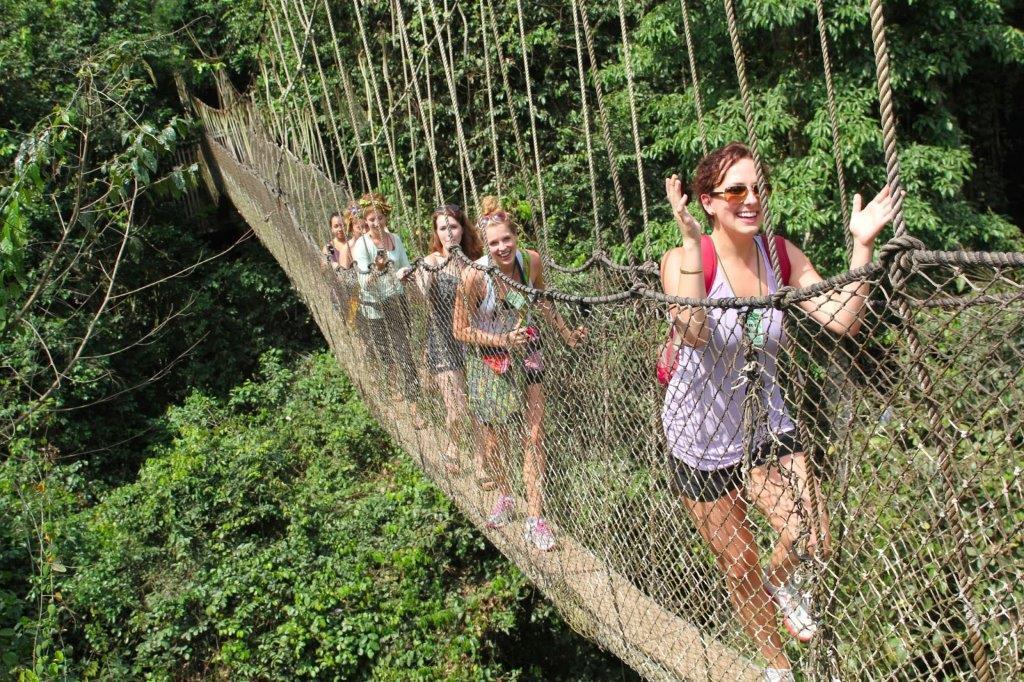
One of Tanzania’s most unique experiences: a canopy walkway approximately 470 metres long, rising up to around 18 metres above the forest floor (per TANAPA). Walk among monkeys, birds and butterflies with the forest canopy at eye level.
4. Guided Nature and Walking Experiences
Where permitted, ranger-accompanied walks let you experience the forest on foot — an entirely different perspective from a vehicle.
5. Night Game Drives
Available only where permitted and arranged through licensed operators, night drives reveal nocturnal species such as bushbabies, genets and hippos grazing after dark.
6. Cultural Experience at Mto wa Mbu
Just outside the gate, Mto wa Mbu is home to more than 120 Tanzanian tribes. Enjoy a guided village walk, local lunch, banana plantation visit and Maasai market — the perfect cultural complement to your wildlife days.
Ready to combine wildlife, forest and culture? [Plan your Lake Manyara safari with Muzungu Africa Safaris].
What Is the Best Time to Visit Lake Manyara National Park?
For general wildlife viewing, the dry season from June to October is the best time to visit Lake Manyara National Park, while the wet season (November–May) rewards photographers and birders with lush scenery and migratory species.
Dry Season (June–October) — Best for Wildlife
- Easier wildlife viewing as animals gather around permanent water
- Generally drier, comfortable conditions with minimal rain
- Shorter grass improves visibility for spotting predators
- Excellent game-drive conditions on all roads
- This is also peak season — book early for the best lodges
Wet Season (November–May) — Best for Scenery and Birds
- Greener, dramatic landscapes beneath the escarpment
- Migratory birds arrive from Europe and Asia (November–April)
- Flamingo activity is often strongest when lake conditions are right
- Fewer visitors in the low-season months (March–May)
- Lower rates at many lodges and camps
- Trade-off: rain can make some roads muddy and challenging
Birding Seasons
Travellers focused on bird watching should consider the November to April window, when resident species are joined by Palearctic migrants and many birds are in breeding plumage.
Bottom line: For classic game viewing, choose the dry season; for lush photography, flamingos and birding, the wet season is superb.
Not sure when to go? [Speak to a Muzungu Africa Safaris travel specialist] and we’ll match your travel dates to the right season.
How to Get to Lake Manyara National Park
Lake Manyara National Park is approximately 125 km (2–2.5 hours) from Arusha by road, with air access via Manyara Airstrip. It sits conveniently between Tarangire and Ngorongoro on the Northern Tanzania Safari Circuit.
By Road (Most Popular)
- From Arusha: ~125 km southwest — roughly 2–2.5 hours on tarmac road via Mto wa Mbu
- Most visitors arrive in a private 4×4 safari vehicle with a professional guide
By Air (Fastest)
- Manyara Airstrip receives scheduled and charter flights from Arusha (ARK), Kilimanjaro (JRO) and the Serengeti — ideal for fly-in safaris or travellers connecting from Zanzibar
From Ngorongoro Crater
- Roughly 1–1.5 hours from Karatu. Most itineraries visit Manyara en route between Tarangire and Ngorongoro — a perfectly logical circuit.
From Tarangire
- About 2 hours away. Manyara and Tarangire are natural partners: contrasting ecosystems, complementary wildlife.
From Serengeti
- 5–7 hours by road or a short scenic flight. Most travellers combine all four northern parks in a single loop rather than visiting Manyara in isolation.
TANAPA confirms Manyara’s position on the northern safari circuit with both road and air access — one of the reasons it remains the most accessible park in Tanzania.
Where to Stay for a Lake Manyara Safari
Lake Manyara accommodation ranges from budget camps and guesthouses in Mto wa Mbu to mid-range lodges around Karatu and luxury safari lodges inside and overlooking the park.
1. Budget Lake Manyara Accommodation
Ideal for travellers seeking an affordable Lake Manyara safari. Expect simple but comfortable options around Mto wa Mbu, including campsites, tented camps and guesthouses — perfect for overland and backpacker-style itineraries.
2. Mid-Range Accommodation
The sweet spot for most visitors. Comfortable lodges and tented camps around Mto wa Mbu and Karatu offer en-suite rooms, pools, excellent dining and easy access to both Lake Manyara and Ngorongoro.
3. Luxury Lodges
For a luxury Lake Manyara safari, choose high-end lodges perched on the Rift Valley escarpment with panoramic lake views, private verandas, spa services and gourmet dining. Treehouse-style suites and boutique camps deliver an unforgettable romance-and-wildlife combination.
TANAPA notes that accommodation is available in and around the park, with broader options in Mto wa Mbu and Karatu.
Pro tip: many travellers stay in Karatu, which serves both Lake Manyara and Ngorongoro Crater from one base.
How Much Does a Lake Manyara Safari Cost?
A Lake Manyara safari typically ranges from about $200–$350 per person per day (budget), $400–$700 (mid-range) and $700–$1,500+ (luxury), depending on duration, accommodation level, group size, season and inclusions.
There is no single universal price — total cost depends on:
- Safari duration (1 day vs 10 days)
- Number of travellers (per-person costs drop in groups)
- Accommodation level (campsite, lodge or luxury suite)
- Private vs group safari
- Vehicle type (pop-top 4×4, extended Land Cruiser)
- Guide expertise
- Park entrance fees (set annually by TANAPA)
- Meals and drinks
- Airport transfers
- Season (peak July–October vs low season April–May)
- Extra activities (canopy walkway, night drives, village tours)
- Domestic flights (Arusha → Manyara Airstrip)
1. Budget Lake Manyara Safari
- Camping or budget guesthouses, group or private budget 4×4, self-catering or simple meals. Ideal for students, backpackers and overland travellers.
2. Mid-Range Lake Manyara Safari
- Comfortable lodges/tented camps, private 4×4 with expert guide, all meals and park fees included. The most popular choice for first-time visitors.
3. Luxury Lake Manyara Safari
- Escarpment-view luxury lodges, premium vehicles, private guide, sundowners and seamless logistics. Perfect for honeymoons, celebrations and photographers.
Important: For official entrance fees, always consult the latest TANAPA tariff, as park charges change and vary by visitor category (East African citizen vs international visitor).
Want an exact Lake Manyara safari price? [Contact Muzungu Africa Safaris with your travel dates, number of travellers and preferred accommodation level] for a free, tailored quotation — usually within 24 hours.
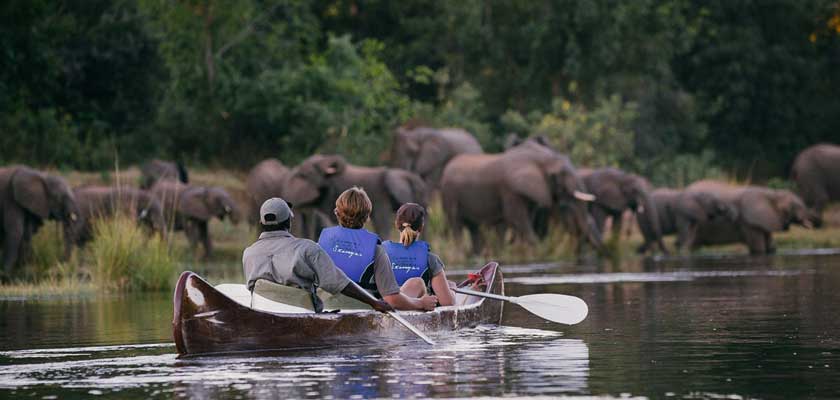
How Many Days Do You Need for Lake Manyara?
You need one full day to see Lake Manyara National Park properly, two days for a relaxed experience with an overnight stay, and three or more days when combining Manyara with other Northern Tanzania parks.
- 1 Day: Perfect for travellers with limited time. A full-day game drive from Arusha covers the forest, plains and lakeshore comfortably.
- 2 Days: Allows a relaxed pace, night activities (where permitted), the canopy walkway and a cultural tour of Mto wa Mbu without rushing.
- 3+ Days: The best value when Manyara is combined with Tarangire, Ngorongoro Crater and the Serengeti — the classic Northern Tanzania circuit.
Our expert recommendation: treat Lake Manyara as one chapter of a multi-park Tanzania safari, not a standalone trip. Its compact size and central location make it the ideal circuit park.
Best Lake Manyara Safari Itineraries
These proven Muzungu Africa Safaris routes combine Lake Manyara with Tanzania’s greatest destinations:
3-Day Tanzania Safari
Tarangire – Lake Manyara – Ngorongoro Crater The perfect short safari for time-pressed travellers. Three parks, three ecosystems, one unforgettable weekend. [Request This Safari]
4-Day Tanzania Safari
Tarangire – Ngorongoro – Lake Manyara Adds breathing room and a relaxed final day beneath the escarpment. [Request This Safari]
5-Day Tanzania Safari
Tarangire – Lake Manyara – Ngorongoro – Serengeti Our best-selling introduction to the full Northern Circuit. [Request This Safari]
7-Day Tanzania Safari
Tarangire – Lake Manyara – Ngorongoro – Serengeti (2+ days) More time in the Serengeti for predators, big cats and (seasonally) the Great Migration. [Request This Safari]
10-Day Tanzania Safari
Tarangire – Lake Manyara – Ngorongoro – Central & Northern Serengeti The ultimate Northern Tanzania experience — extended Serengeti time, optional hot-air balloon safari, Maasai cultural visits and optional Zanzibar beach extension. [Request This Safari]
Every itinerary is 100% customisable. [Tell us your dates, group size and budget] and we’ll build your perfect route.
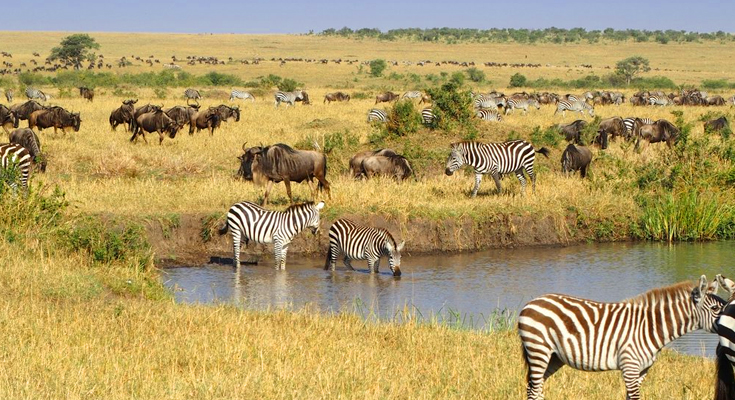
Lake Manyara vs Tarangire vs Ngorongoro vs Serengeti
Lake Manyara is best for tree-climbing lions, forest, flamingos and birdlife; Tarangire for elephants and baobabs; Ngorongoro for dense crater wildlife; and the Serengeti for vast plains and Great Migration experiences.
So, Which Is Best?
None is universally “best” — they are brilliantly complementary.
Lake Manyara is ideal for travellers seeking diverse landscapes, birdlife, elephants and the possibility of seeing tree-climbing lions, while the Serengeti is the stronger choice for vast plains, major predator encounters and migration experiences.
Ngorongoro delivers the highest density of animals per square kilometre, and Tarangire shines in the dry season with its elephant gatherings.
The good news? You don’t have to choose. A well-planned Northern Circuit safari includes all four.
Is Lake Manyara National Park Worth Visiting?
Yes, Lake Manyara National Park is absolutely worth visiting, especially for travellers who want a compact Northern Tanzania safari combining wildlife, birding, forest, lake scenery and the chance of tree-climbing lions.
Who Should Visit Lake Manyara?
- First-time safari travellers — an accessible, high-reward introduction to African wildlife
- Photographers — escarpment backdrops, forest light, lake reflections
- Birdwatchers — 400+ species in one small park
- Families — short drives, big payoffs, canopy walkway adventure
- Couples and honeymooners — luxury escarpment lodges with lake views
- Luxury travellers — boutique camps and exclusive experiences
- Short-stay travellers — a complete safari day-trip from Arusha
- Circuit travellers — the perfect link between Tarangire and Ngorongoro
When Might Another Park Suit You Better?
Travellers with only 2–3 days total might prioritise Ngorongoro for maximum wildlife density, and dedicated Great Migration chasers should focus on the Serengeti at the right time of year. If your heart is set on enormous elephant herds in dry season, Tarangire leads.
Our honest verdict as Tanzania specialists: Lake Manyara delivers exceptional variety for its size. Skip it, and your itinerary loses the forest, the birds and the best chance of a lion in a tree.
Lake Manyara Safari Photography Tips
Lake Manyara is one of northern Tanzania’s most photogenic parks — the key is shooting early, using a telephoto lens and framing wildlife against the Rift Valley escarpment.
- Shoot early morning — soft golden light floods the escarpment and forest between 6:30–9:00 am
- Bring a telephoto lens (200–400mm) for lions, elephants and birds
- Pack binoculars — essential for spotting tree-climbing lions high in the canopy
- Frame the landscape — the 600-metre escarpment makes a stunning backdrop for wildlife
- Tree-climbing lion photography — expose for the dappled light; underexpose slightly to keep detail in highlights
- Bird photography — the forest canopy and lakeshore teem with subjects; a 300mm+ lens pays off
- Lake reflections — calm mornings mirror flamingos and the escarpment perfectly
- Practice responsible photography — never ask your guide to off-road or disturb animals for a shot
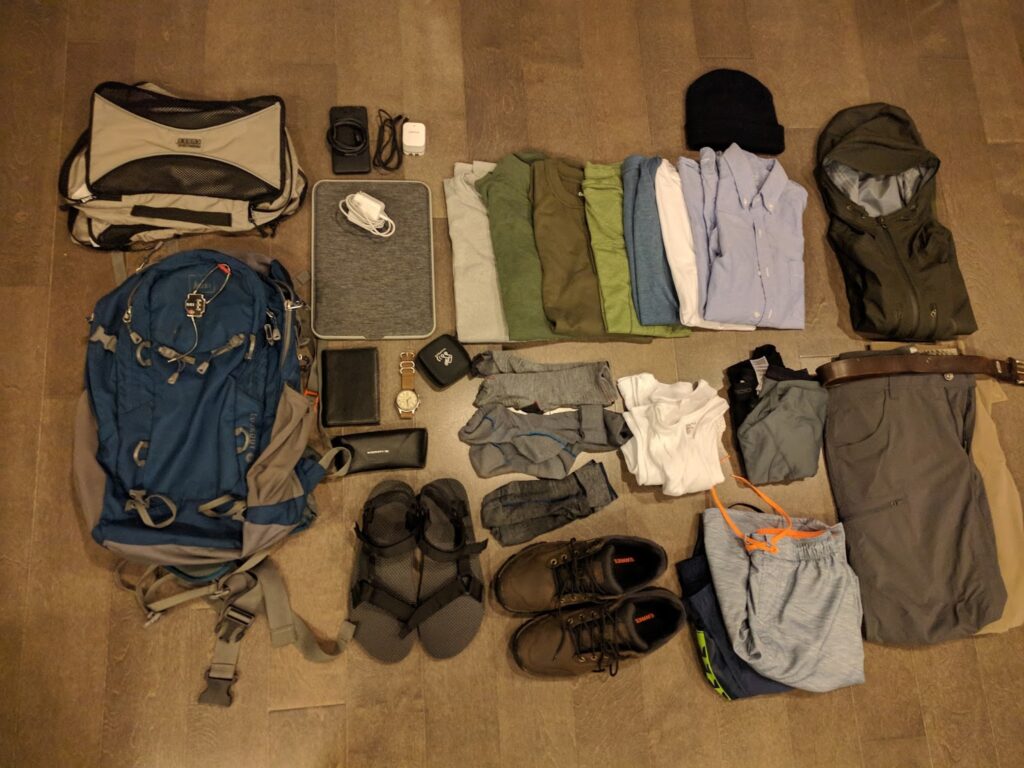
What to Pack for a Lake Manyara Safari
Pack lightweight neutral-coloured clothing, binoculars, a camera with telephoto lens, sunscreen, a hat, sunglasses, insect repellent, comfortable shoes, a reusable water bottle, a light jacket and personal medication.
Complete Lake Manyara packing checklist:
- Lightweight, breathable clothing in neutral colours (khaki, olive, beige — avoid dark blue and black, which attract tsetse flies)
- Binoculars — TANAPA specifically recommends them
- Camera + telephoto lens (and spare batteries/memory cards)
- Sunscreen, wide-brimmed hat, sunglasses — the Rift Valley sun is intense
- Insect repellent (DEET-based, especially for forest sections)
- Comfortable closed walking shoes
- Reusable water bottle — stay hydrated on game drives
- Light jacket/fleece — mornings and evenings are cool, especially June–August
- Personal medication and a small first-aid kit
- Power bank and universal adapter (Tanzania uses Type G/D plugs, 230V)
Lake Manyara National Park Travel Tips
Follow your guide’s instructions, stay on designated roads, never feed wildlife, keep a safe distance from animals and secure your food around baboons and monkeys.
Essential park rules and insider tips:
- Follow your ranger and guide’s instructions at all times — they know animal behaviour and park regulations
- Stay on designated roads and boardwalks — off-road driving damages habitat and is prohibited
- Never feed wildlife — it endangers animals and visitors alike
- Maintain a safe distance from all animals, especially elephants and buffalo
- Secure food and bags — baboons and blue monkeys are expert thieves
- Carry sun protection and drinking water on every drive
- Observe park regulations — including speed limits and gate hours
- Respect the environment — carry out all litter
- Allow flexibility — wildlife sightings follow nature’s schedule, not a clock. The best guides embrace it.
TANAPA specifically advises visitors to remain on designated routes, avoid feeding wildlife and follow ranger and guide instructions.
Frequently Asked Questions About Lake Manyara National Park
What is Lake Manyara National Park famous for?
Lake Manyara National Park is famous for its tree-climbing lions, large elephant herds, seasonal flamingo flocks, ancient groundwater forest and dramatic location beneath the Great Rift Valley escarpment. The park also records more than 400 bird species and offers a unique treetop canopy walkway approximately 470 metres long.
Where is Lake Manyara National Park located?
Lake Manyara National Park is located in northern Tanzania, in the Manyara Region, at the base of the Great Rift Valley escarpment near the town of Mto wa Mbu. It lies approximately 125 km from Arusha, around a 2–2.5-hour drive, and sits centrally on the Northern Tanzania Safari Circuit between Tarangire and Ngorongoro.
Are there tree-climbing lions in Lake Manyara?
Yes. Lake Manyara is one of Africa’s most famous destinations for lions that rest in trees. Lions may climb for shade, to escape insects or for vantage points. Sightings are never guaranteed, but Manyara remains one of the best places in East Africa to search for this rare behaviour.
What animals can I see in Lake Manyara?
You can see elephants, lions, buffalo, giraffes, zebras, wildebeest, hippos, baboons, blue monkeys, bushbuck and various antelopes, plus 400+ bird species including flamingos. Leopards are present but rarely seen. Elephant encounters in the forest are among the park’s most reliable highlights.
Is Lake Manyara worth visiting?
Yes. Lake Manyara is worth visiting for its compact diversity — forest, lake, plains and escarpment in one park. It’s ideal for first-time safari-goers, birdwatchers, photographers, families and travellers linking Tarangire, Ngorongoro and the Serengeti on a Northern Circuit safari.
What is the best time to visit Lake Manyara?
The dry season (June–October) is best for wildlife viewing, with animals concentrated around water and easy game-drive conditions. The wet season (November–May) offers lush scenery, migratory birds and excellent photography with fewer crowds. Birders should target November–April.
How much does a Lake Manyara safari cost?
A Lake Manyara safari typically costs $200–$350 per person per day (budget), $400–$700 (mid-range) or $700–$1,500+ (luxury), depending on duration, accommodation, group size, season and inclusions. Park entrance fees are set annually by TANAPA — check the latest tariff, and [contact Muzungu Africa Safaris for an exact quote].
How many days do you need in Lake Manyara?
One full day is enough for a satisfying game drive. Two days allows a relaxed pace, the canopy walkway and cultural activities. Three or more days works best when Manyara is combined with Tarangire, Ngorongoro Crater and the Serengeti on a multi-park circuit.
Can I visit Lake Manyara and Serengeti on the same safari?
Yes — absolutely. Lake Manyara and the Serengeti are both part of the Northern Tanzania Safari Circuit, connected by road (5–7 hours) or short flights via Manyara Airstrip. Most classic itineraries combine Manyara, Ngorongoro and the Serengeti in 5–7 days.
Can Lake Manyara be visited from Arusha?
Yes. Lake Manyara is approximately 125 km (2–2.5 hours) from Arusha by road, making it one of the few Tanzania parks doable as a day trip. Alternatively, fly to Manyara Airstrip in under an hour for a fly-in safari experience.
What activities are available in Lake Manyara?
Activities include game drives, bird watching, the 470-metre treetop canopy walkway (up to 18 metres high), guided nature walks where permitted, night game drives where permitted and cultural tours of Mto wa Mbu village. Game drives remain the park’s core activity.
Is Lake Manyara good for bird watching?
Yes — outstanding. With more than 400 recorded bird species, Lake Manyara is one of northern Tanzania’s premier birding destinations. Expect flamingos, pelicans, storks, hornbills, kingfishers and raptors. The November–April window adds migratory species and breeding plumage.
Where should I stay when visiting Lake Manyara?
Options span budget camps and guesthouses in Mto wa Mbu, comfortable mid-range lodges around Karatu, and luxury escarpment lodges with panoramic lake views. Karatu is a popular dual base for Lake Manyara and Ngorongoro. See our [Best Lake Manyara Lodges guide] for recommendations.
What should I pack for a Lake Manyara safari?
Pack neutral-coloured lightweight clothing, binoculars, a camera with telephoto lens, sunscreen, hat, sunglasses, insect repellent, comfortable shoes, a reusable water bottle, a light jacket for cool mornings and personal medication. TANAPA specifically recommends binoculars, sun protection and neutral clothing.
Is Lake Manyara suitable for families?
Yes. Short drives, big wildlife payoffs, the exciting canopy walkway and nearby cultural experiences make Lake Manyara one of Tanzania’s most family-friendly parks. Muzungu Africa Safaris designs family itineraries with child-appropriate pacing, activities and family rooms.
Ready to Explore Lake Manyara National Park?
Turn your Lake Manyara National Park visit into a complete Northern Tanzania safari with Muzungu Africa Safaris.
Whether you want a budget, mid-range or luxury Tanzania safari, our expert local team will combine Lake Manyara with Tarangire, Ngorongoro Crater and the Serengeti based on your travel dates, interests and budget — with 24-hour quotation turnaround and guides who know where the lions climb.
We welcome travellers from the USA, Canada, Mexico and Latin America, the UK, Germany, France, Italy, Spain, the Netherlands, Belgium, Switzerland, Scandinavia, Poland, China, Japan, India, Southeast Asia, Australia, New Zealand, the UAE, Saudi Arabia, Qatar and across the Middle East — with international-standard vehicles, English, Spanish, French, German and Chinese-speaking guides on request, and full pre-trip planning support across time zones.
Choose how to start your adventure:
- 🦁 [Request a Free Safari Quote] — tailored to your dates, group and budget
- 🌍 [Explore Tanzania Safari Packages] — 3 to 10+ day proven itineraries
- 🐘 [Plan Your Lake Manyara Safari] — combine Manyara with the entire Northern Circuit
- 📞 [Contact Muzungu Africa Safaris] — speak with a Tanzania specialist today
Book Your Lake Manyara Safari with Muzungu Africa Safaris Today
The tree-climbing lions are in the trees. The flamingos are on the lake. The elephants are waiting beneath the fig trees of the groundwater forest. All that’s missing is you.
Spaces for the peak dry season (June–October) and the birding spectacular (November–April) fill quickly, and the best escarpment lodges book out months in advance. Don’t leave your dream safari to chance.
[Book your Lake Manyara safari with Muzungu Africa Safaris now] — request your free, no-obligation itinerary and quote today, and let Tanzania’s most compact big-experience park become the highlight of your African journey.
Your Lake Manyara adventure starts with one message. Send it today.