African Safari: The Ultimate 2026 Guide to Wildlife, Costs & Best Destinations
An African safari is more than a holiday; it is a front-row seat to some of the most dramatic wildlife encounters on Earth.
From lions moving through golden grass at sunrise to gorillas in misty forests and elephants gathering at dry-season waterholes, the experience can be as wild or as luxurious as you want it to be.
Muzungu Africa Safaris helps travelers from the USA, UK, Europe, Canada, Asia, China, Oceania, the Middle East, Latin America, and across Africa plan the right safari, at the right time, for the right budget.
This guide covers the best African safari destinations, safari types, costs, seasons, wildlife highlights, packing essentials, and how to book confidently.
What Is an African Safari?
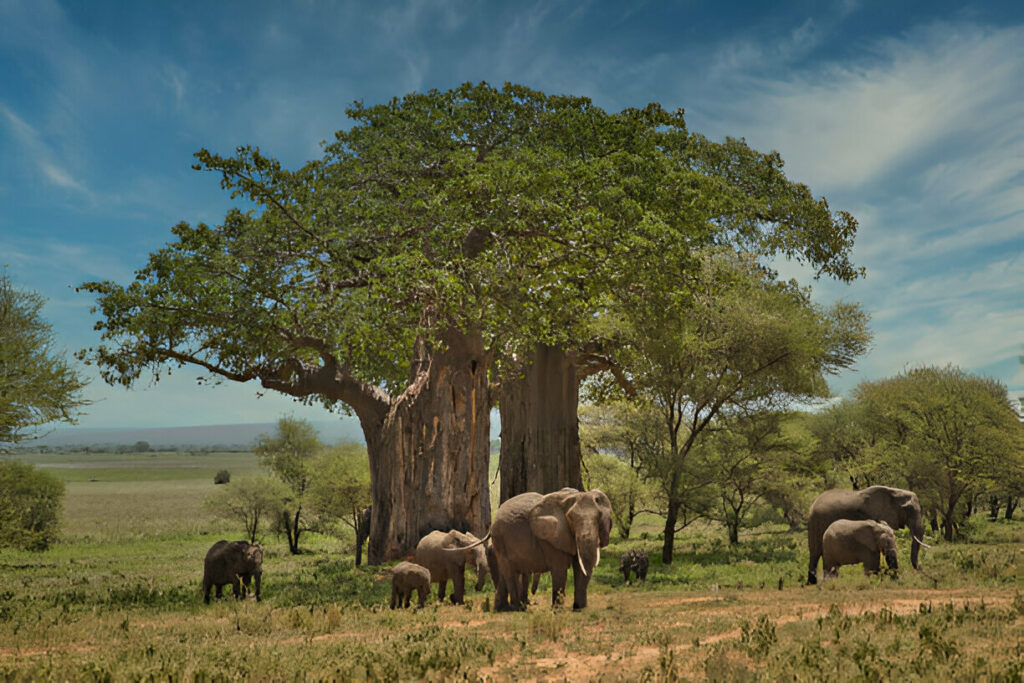
An African safari is a wildlife travel experience designed around observing animals in their natural habitat, usually in protected parks, reserves, or private concessions.
The word “safari” originally means “journey,” but today it refers to guided wildlife travel, self-drive exploration, luxury escapes, and specialized trips such as gorilla trekking and photographic safaris.
There are several major safari styles, and each appeals to a different type of traveler.
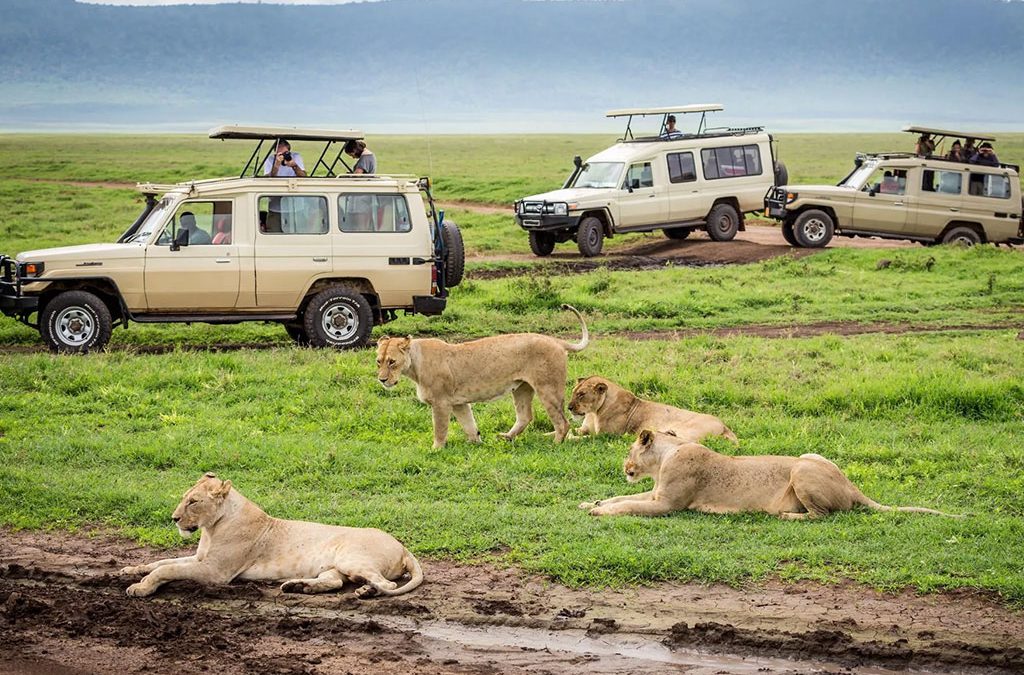
A classic game drive focuses on spotting iconic wildlife from a 4×4 vehicle, often at sunrise and sunset.
A luxury safari pairs high-end lodges, private guides, and premium service with exceptional wildlife viewing.
A budget safari keeps costs lower through shared vehicles, simpler accommodation, and group departures.
A private guided safari gives you a tailor-made route and your own driver-guide, while a self-drive safari is ideal for confident travelers who want freedom and flexibility.
There are also safari experiences built around specific interests.
A family safari is paced for children and multi-generational groups.
A honeymoon safari combines romance, privacy, and scenic lodges.
A photographic safari is designed for travelers who want long viewing time, expert positioning, and strong light. For many visitors, the most meaningful trip is a gorilla trekking safari, where the safari journey centers on mountain gorillas in Uganda or Rwanda.
For the best African safari tours, the key is not just where you go, but how the experience matches your goals, budget, and travel style.
Book a custom safari consultation with Muzungu Africa Safaris to match the right safari format to your trip.
Best African Safari Destinations
Africa is not one safari destination; it is a continent of very different wildlife experiences.
The best choice depends on whether you want gorillas, migration, desert landscapes, big cats, or self-drive freedom. A smart safari article should separate each destination clearly so readers can quickly self-select.
1. Uganda
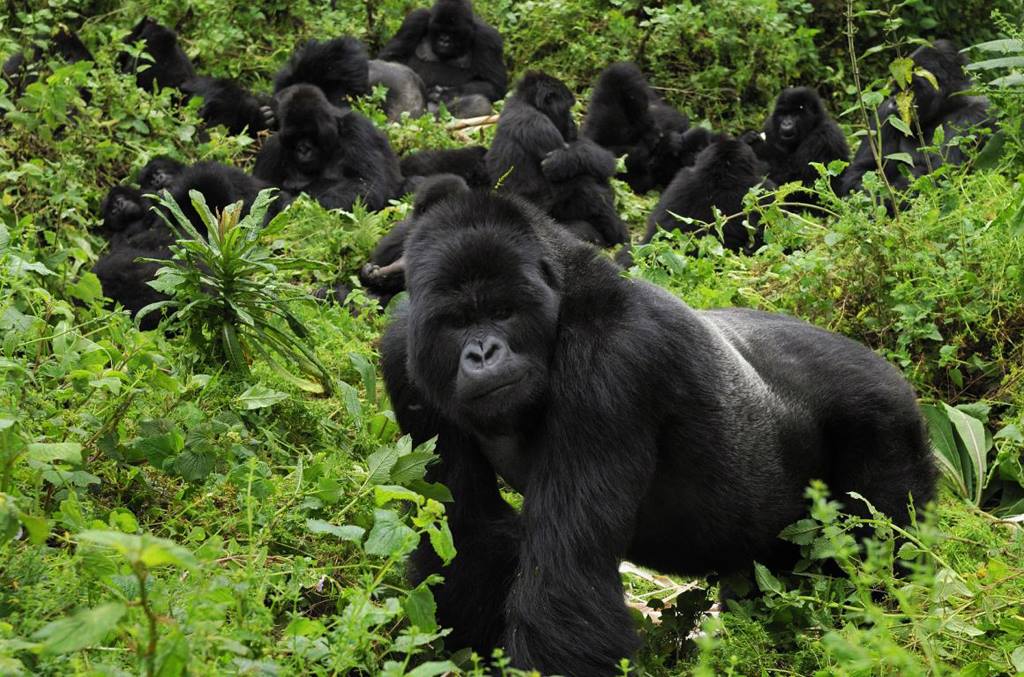
Uganda is one of the best destinations for gorilla trekking and primate safaris.
Bwindi Impenetrable National Park and Mgahinga Gorilla National Park are the main highlights for mountain gorillas, while Kibale is excellent for chimpanzees.
Uganda also offers excellent birding, savannah wildlife in Queen Elizabeth National Park, and scenic diversity from forests to lakes.
Uganda suits travelers who want a rich, multi-experience safari, especially those combining wildlife with gorillas.
It is ideal for visitors who want more than a classic game-drive safari. If gorilla trekking is your priority, Uganda deserves strong visibility in your itinerary.
2. Rwanda
Rwanda is known for luxury gorilla trekking and easy access to Volcanoes National Park.
It is a compact, polished destination with excellent roads, high-end lodges, and strong service standards. Travelers often choose Rwanda for shorter, premium gorilla itineraries or as part of a broader East Africa safari.
Rwanda is best for travelers who want comfort, efficiency, and a refined trekking experience. It is especially attractive to luxury travelers, couples, and people who want a short but powerful primate safari.
3. Kenya
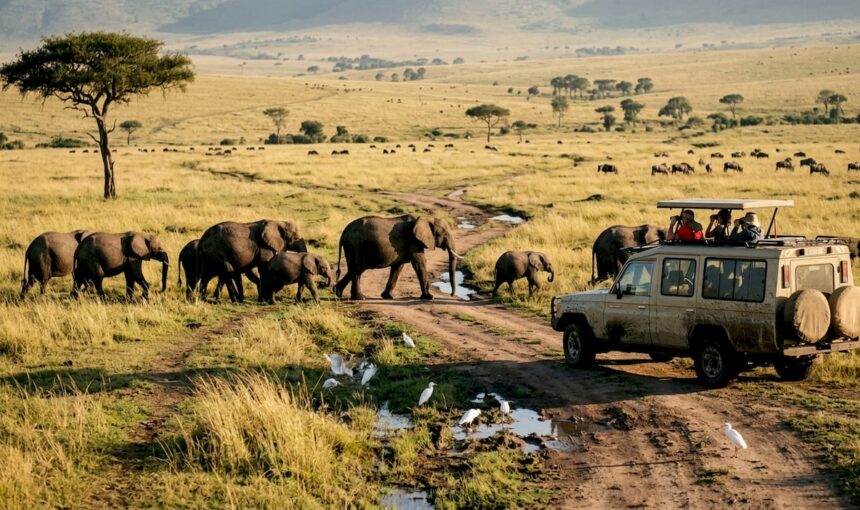
Kenya is the home of the classic African safari image: wide savannahs, acacia trees, elephants, lions, and dramatic sunsets.
The Masai Mara is world-famous for big cats and migration-season action, while Amboseli is known for elephants and views of Mount Kilimanjaro. Kenya also has strong coastal add-on options for travelers who want beach and safari in one trip.
Kenya is ideal for first-time safari travelers who want iconic scenery and high wildlife density. It is also excellent for family safaris and photographic trips.
4. Tanzania
Tanzania is one of the strongest safari countries in Africa, especially for the Great Migration in the Serengeti and the wildlife-rich Ngorongoro Crater.
It also offers classic bush safaris, excellent big-cat viewing, and a wide choice of lodge styles. Many travelers choose Tanzania when they want a large-scale, bucket-list safari with very high wildlife value.
Tanzania is best for travelers who want migration drama, strong predator sightings, and long safari circuits. It works well for both luxury and mid-range travelers.
5. Botswana
Botswana is famous for premium wilderness safaris and low-impact, exclusive wildlife experiences.
The Okavango Delta is one of Africa’s most unique safari landscapes, with water-based game viewing, mokoro rides, and remote camps. Chobe is known for elephants, while the Moremi and Savuti areas offer classic predator action.
Botswana is best for travelers seeking privacy, exclusivity, and high-end wilderness. It is often a top choice for luxury safari clients.
6. Namibia
Namibia offers a different kind of safari: more open, more spacious, and more visually dramatic.
Etosha National Park is the country’s standout wildlife destination, known for waterholes, dry-season game viewing, and excellent self-drive options. Namibia also combines well with desert landscapes, scenic road trips, and photography-focused itineraries.
Namibia is ideal for self-drive travelers, photographers, and anyone who wants a safari with space, silence, and strong visual contrast.
7. South Africa
South Africa is one of the most accessible safari destinations, especially for self-drive safaris and family trips.
Kruger National Park and nearby private reserves offer reliable wildlife viewing, diverse accommodation, and strong infrastructure. South Africa is often the best choice for travelers who want a first safari with easier logistics.
South Africa suits families, first-timers, and travelers wanting a mix of safari, city time, and coast. It is also one of the easiest countries for a flexible safari itinerary.
If your readers are deciding between East Africa, Southern Africa, and gorilla trekking, offer them a tailor-made safari plan from Muzungu Africa Safaris.
Types of African Safari
Different safari types attract different search intent, so this section should be clear and conversion-friendly.
1. Luxury safari
A luxury safari suits travelers who want premium lodges, fine dining, private transfers, and expert guiding. It works well for honeymooners, high-end families, and travelers who want comfort without sacrificing wildlife quality.
2. Mid-range safari
A mid-range safari is the sweet spot for many travelers. It balances comfort, quality guiding, and strong wildlife viewing without the top-tier price tag. This is often the most commercially important category.
3. Budget safari
A budget safari is best for travelers who want a real wildlife experience at a lower cost. It usually involves shared vehicles, simpler lodges, or campsites, but can still deliver excellent sightings.
4. Self-drive safari
A self-drive safari is ideal for confident travelers who want freedom, flexibility, and control over timing. It is especially popular in Namibia and South Africa.
5. Guided safari
A guided safari is best for first-time visitors, photographers, and travelers who want local expertise. It often produces better sightings because guides know animal behavior and daily movement patterns.
6. Private safari
A private safari suits couples, families, and small groups who want a custom pace and exclusive vehicle use. It is also a strong option for travelers who value privacy.
7. Family safari
A family safari should include shorter drives, child-friendly lodges, and flexible pacing. It is best when the itinerary balances animals, rest time, and easy logistics.
8. Honeymoon safari
A honeymoon safari combines romance, privacy, and beautiful accommodation. Think sunset drinks, private decks, and special touches built around memorable experiences.
9. Gorilla trekking safari
A gorilla trekking safari is one of Africa’s most sought-after wildlife experiences. It is best for travelers who want emotional, once-in-a-lifetime primate encounters in Uganda or Rwanda.
10. Photographic safari
A photographic safari is designed around light, angles, patience, and access to the best wildlife moments. It works best with a specialist guide and flexible schedule.
A good safari company should not sell one package to everyone. Muzungu Africa Safaris can match each safari type to your budget and travel goals.
Best Time to Go on an African Safari
The best time for an African safari depends on the country, wildlife goal, and your tolerance for crowds or rain. In general, the two main seasons are the dry season and the green season.
The dry season is usually the best time for classic game viewing. Animals gather around remaining water sources, grass is shorter, and visibility is often better.
This is the strongest season for lion, elephant, rhino, and general big-game viewing in many parks. It is also the easiest season for first-time travelers who want predictable sightings.
The green season offers a different advantage. Landscapes are lush, birdlife is strong, photography can be stunning, and prices are often lower.
In some destinations, this is the best time for newborn animals, dramatic skies, and fewer crowds. For birders and photographers, the green season can be a hidden gem.
The best answer is never just “go in July” or “go in December.” The right timing depends on the destination.
For example, Uganda and Rwanda have trekking seasons that are different from the dry-season logic of a plains safari. Kenya and Tanzania often have major wildlife peaks tied to migration and movement patterns, while Namibia’s Etosha is especially strong when water becomes scarce.
Dry season is best for concentrated wildlife viewing; green season is best for scenery, birds, and lower prices.
How Much Does an African Safari Cost?
Safari costs depend on accommodation, season, transport, park fees, guide quality, and group size. A transparent pricing section improves trust and tends to attract more serious leads.
1. Budget safari
Budget safaris are usually the lowest-cost option and are ideal for backpackers, students, and cost-conscious travelers. Expect shared transport, simpler lodges or camps, and fewer extras. They can still be excellent value if planned well.
- Budget safari: $1,500 – $2,500 (Camping, shared 4×4, basic meals).
2. Mid-range safari
Mid-range safaris offer a strong balance of comfort and affordability. This is often the most popular category for couples, families, and first-time safari travelers. It usually includes comfortable lodges, private or semi-private guiding, and reliable transport.
- Mid-range safari: $3,000 – $4,500 (Comfortable lodges, shared or private guide).
3. Luxury safari
Luxury safaris are designed for travelers who want premium service, exclusive lodges, private vehicles, and elevated dining. These safaris often cost significantly more because of the level of privacy and service included.
- Luxury safari: $5,000 – $12,000+ (5-star lodges, premium dining, exclusive guiding).
4. Private custom safari
A private custom safari is priced according to your exact route, timing, and lodge choices. This is often the best fit for honeymooners, families, VIP clients, and travelers who want a fully tailored experience.
- Private custom safari: $8,000 – $10,000+ (Fully tailored, fly-in transfers, ultra-luxury). Note: Gorilla permits add $800 to $1,500+ per person, per trek.
What affects price most:
-
Park and permit fees.
-
Accommodation level.
-
Transport type.
-
Guide expertise.
-
Travel season.
-
Number of travelers.
-
Route complexity.
What Wildlife Will You See?
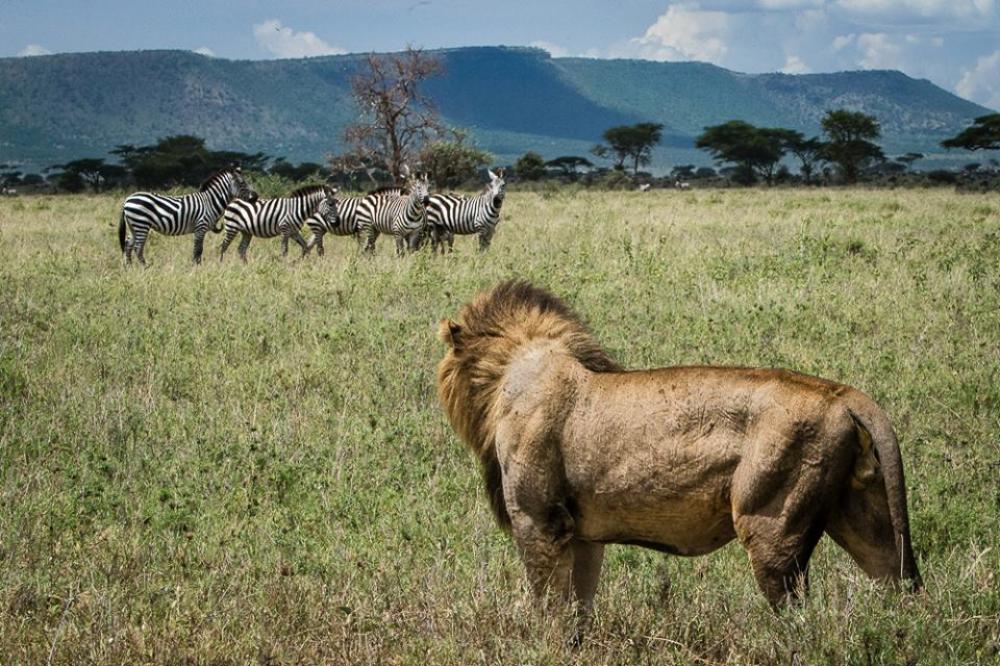
- Big Five: Lion, leopard, rhinoceros, elephant, and Cape buffalo. Best seen in: South Africa (Kruger), Kenya (Masai Mara), and Tanzania (Ngorongoro).
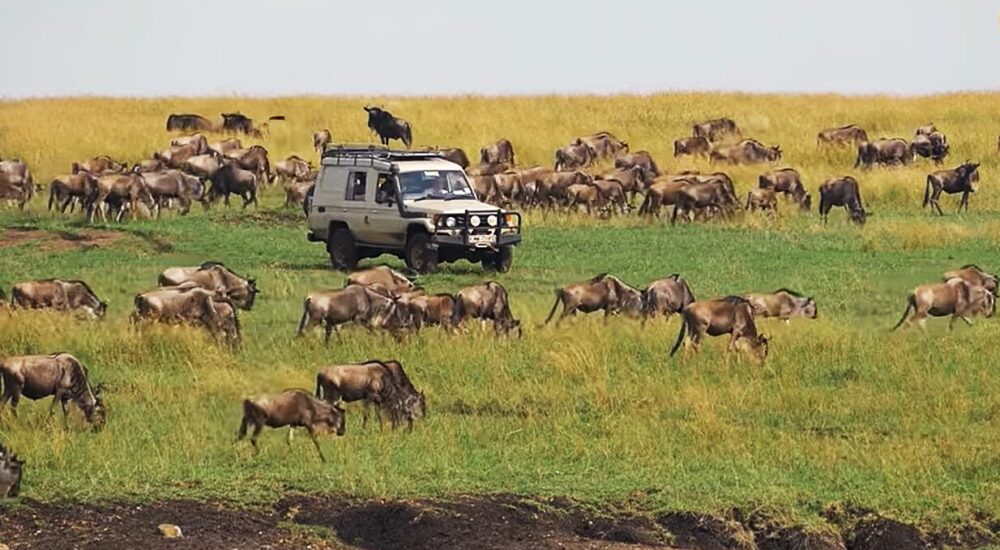
- Great Migration species: Over 1.5 million wildebeest, accompanied by zebras and gazelles. Best seen in: The Serengeti (Tanzania) and Masai Mara (Kenya).
- Primates: Mountain gorillas, eastern lowland gorillas, and chimpanzees. Best seen in: Uganda (Bwindi, Kibale) and Rwanda (Volcanoes).
- Desert-adapted wildlife: Gemsbok (oryx), desert-adapted elephants, and brown hyenas. Best seen in: Namibia (Etosha, Skeleton Coast).
- Rare birds and predators: The elusive shoebill stork, cheetahs, and African wild dogs. Best seen in: Uganda (shoebill), Botswana (wild dogs), and Kenya (cheetahs).
If you want gorillas, choose Uganda or Rwanda. If you want the migration, choose Kenya or Tanzania. If you want dry-country wildlife and self-drive freedom, choose Namibia or South Africa.
Self-Drive vs Guided Safari
Choosing between driving yourself or hiring an expert is one of the biggest decisions you will make.
Use this table to decide:
A self-drive safari gives travelers freedom and can reduce costs, especially in countries with good roads and park infrastructure. It suits confident drivers who are happy to manage routing, timing, and wildlife spotting on their own.
A guided safari is stronger for travelers who want expert interpretation, easier logistics, and better chances of finding animals quickly. It is especially effective for gorilla trekking, luxury safaris, family trips, and first-time Africa visitors.
If your goal is convenience and better wildlife tracking, choose a guided safari. If your goal is independence and control, choose self-drive.
What to Pack for an African Safari
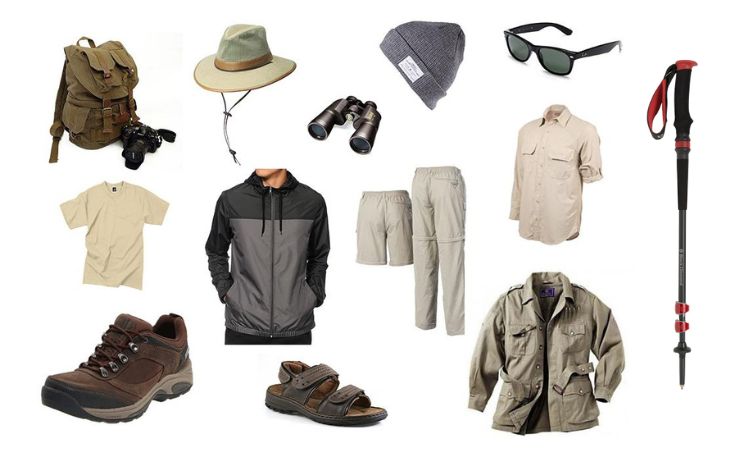
Packing smart can make or break your experience. Keep it practical and lightweight:
-
Neutral clothing for comfort and camouflage.
-
Binoculars for distant wildlife viewing.
-
Camera gear with extra batteries and memory cards.
-
Sunscreen for strong equatorial and savannah sun.
-
Insect repellent for comfort and protection.
-
Travel documents including passport, visas, and permits.
-
Medicines and personal essentials.
-
Power bank for charging on the move.
Also recommend a light jacket for early mornings, closed shoes, and a reusable water bottle. For gorilla trekking, add hiking boots, gloves, and rain protection.
How to Book Your African Safari
Booking a complex, multi-destination trip can be overwhelming. At Muzungu Africa Safaris, we streamline the process into six simple, transparent steps:
-
Tell us your dates.
Share your travel window so we can match the best season and availability. -
Choose your destination.
Decide whether you want Uganda, Rwanda, Kenya, Tanzania, Botswana, Namibia, or South Africa. -
Select safari style and budget.
Choose between budget, mid-range, luxury, guided, self-drive, family, honeymoon, or private safari. -
Receive a custom quote.
We prepare a tailored plan with routing, accommodation, and activity recommendations. -
Confirm with a deposit.
Secure your dates, lodges, permits, and guiding services. -
Travel with full support.
Enjoy a planned safari with expert assistance before and during travel.
Muzungu Africa Safaris creates custom safari itineraries for international and local travelers who want value, comfort, and real wildlife experiences. Request your quote now and get a safari built around your goals.
Book Your Gorilla Permit
If your dream safari includes mountain gorillas, don’t leave permits and timing to chance. Gorilla trekking availability can be limited, and the best lodges and dates often sell fast.
Book your gorilla permit through Muzungu Africa Safaris and let us handle the details, from park planning to route design and accommodation.
For travelers who want a true African adventure—wildlife, landscapes, culture, and seamless planning—Muzungu Africa Safaris is ready to build your next journey.
Send your travel dates today and start planning your African safari now.